
Martha Stewart has long been celebrated for her ability to make ordinary spaces feel extraordinary. One of her most admired talents is the way she transforms gardens into serene retreats that invite rest, reflection, and gathering. Unlike gardens designed purely for function or appearance, a retreat-style garden blends beauty with comfort and a sense of calm. Martha’s approach reveals that with thoughtful design, natural elements, and personal touches, any outdoor space can become a private sanctuary.
The Philosophy Behind a Retreat Garden
At the heart of Martha’s garden philosophy is the belief that outdoor spaces should feel as livable as indoor ones. A retreat isn’t just about plants; it’s about creating an environment where people want to spend time. To achieve this, she balances structure with softness — trimmed hedges alongside flowing perennials, and carefully placed seating areas nestled among greenery. The result is a harmonious blend of order and relaxation.

Layering Plants for Depth and Tranquility
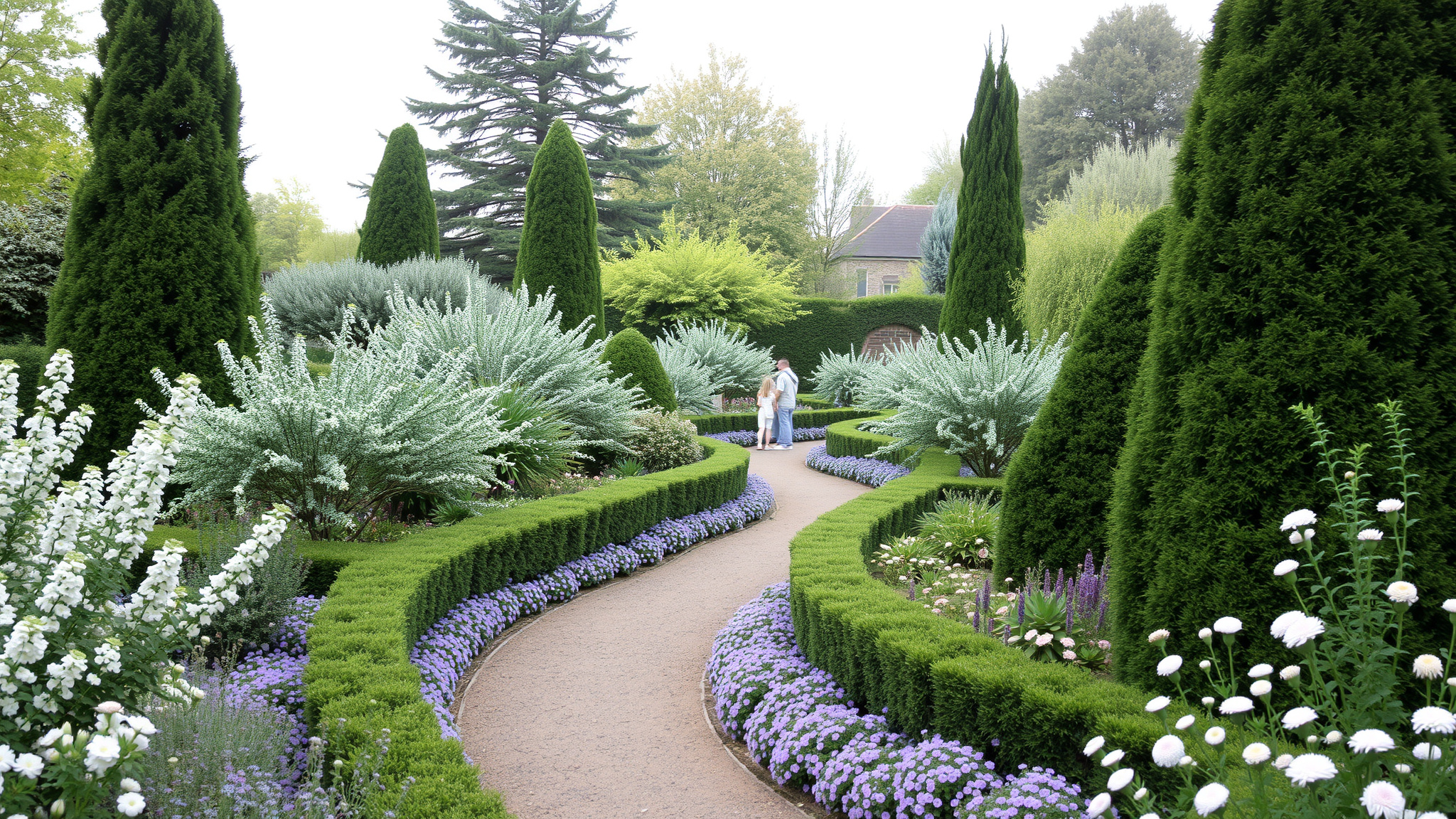
A garden retreat feels immersive, and Martha achieves this through strategic layering. Instead of planting in flat rows, she combines tall trees, medium shrubs, and low-growing flowers to create depth. Pathways framed by hedges or flowering borders invite visitors to wander slowly, while areas of dense greenery offer privacy and a sense of escape.
She often includes calming colors such as whites, soft purples, and pale blues. These shades not only look elegant but also create a soothing atmosphere, perfect for a retreat setting.
Inviting Seating Areas
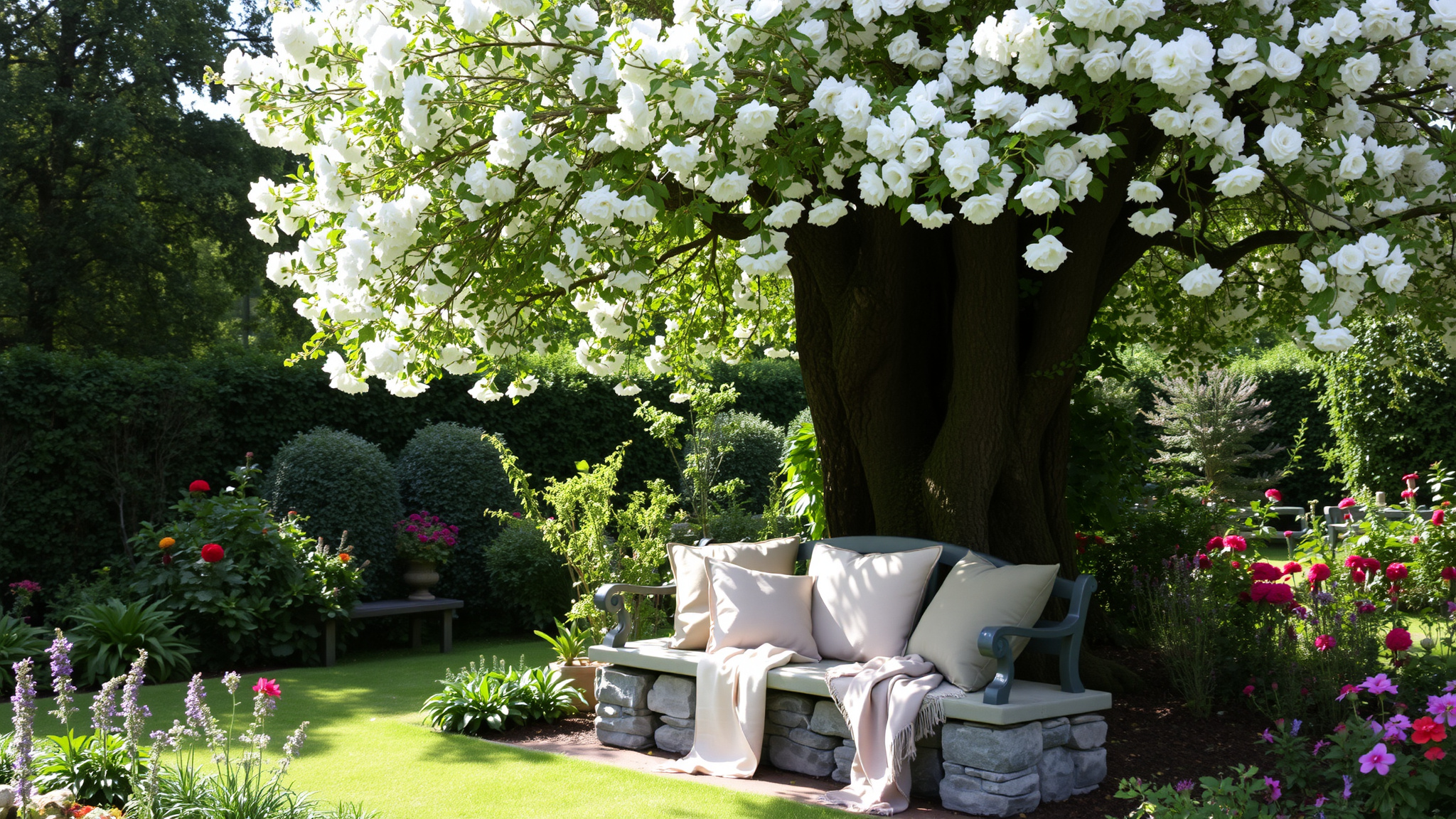
Martha knows that no garden can truly be a retreat without spaces for rest. Whether it’s a stone bench tucked beneath a flowering tree, Adirondack chairs overlooking a pond, or a hammock swaying between trees, seating transforms a garden into a destination.
She often layers in soft textiles like cushions or throws, choosing natural fabrics in muted tones that complement the garden’s palette. These small touches encourage guests to linger longer, turning a simple seat into an experience of comfort.
The Role of Pathways and Flow
Winding paths are one of Martha’s trademarks in retreat-style gardens. Rather than straight lines, she favors curves and hidden corners that invite discovery. Gravel, stone, or brick pathways provide texture and durability while adding a sense of timelessness.
Each turn often reveals something new — a tucked-away bench, a water feature, or a flowering arch. This design keeps the experience engaging, turning even a modest garden into an adventure.

Water Features for Calm and Balance
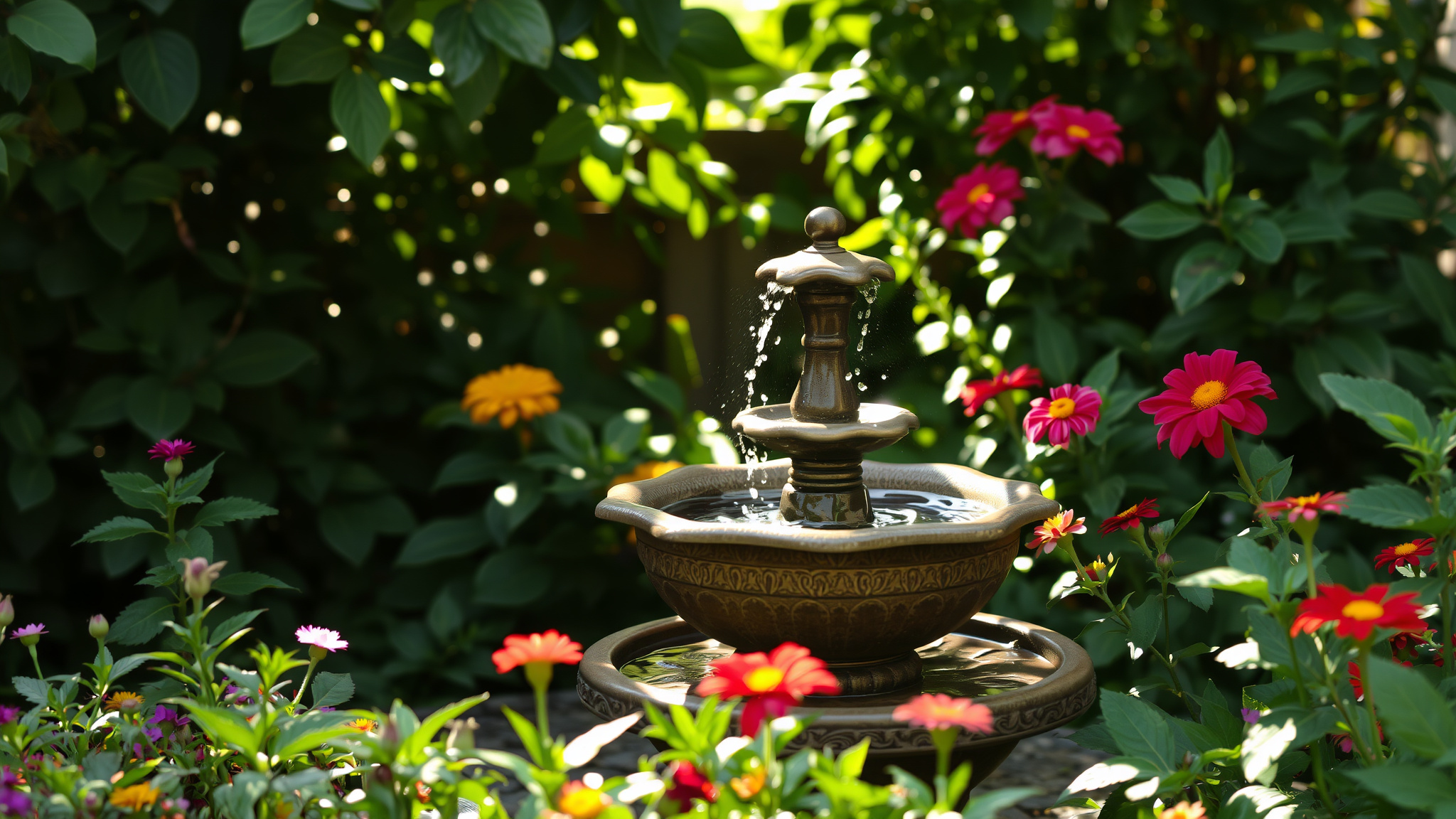
Few things evoke relaxation like the sound of water. Martha often incorporates fountains, small ponds, or even birdbaths to introduce movement and sound into her gardens. Water attracts wildlife, adds cooling freshness, and creates a natural focal point.
Even in smaller gardens, a tabletop fountain or wall-mounted water feature can add the same sense of peace. The gentle trickle becomes background music, instantly enhancing the retreat-like feel.
Outdoor Dining as an Extension of the Retreat
For Martha, gardens aren’t just for looking — they’re for living. One of her signature ideas is incorporating outdoor dining into the garden itself. A rustic wooden table beneath a pergola, or a set of chairs surrounded by blooming flowers, creates a retreat where meals become memorable experiences.
She often uses natural elements, such as tableware in earthy tones, linen napkins, and arrangements of freshly cut flowers from the garden itself. Dining outdoors becomes not just a meal, but a moment of connection with nature.
Adding Personal Touches
A true retreat reflects the personality of its owner. Martha layers in elements like antique garden statuary, unique planters, or handcrafted décor. These pieces bring individuality to the space while telling a story.
Scent also plays an important role. Fragrant herbs like lavender, rosemary, and thyme double as practical plants while adding a sensory experience that deepens the retreat feeling.
Balancing Privacy and Openness
Retreats thrive on a sense of privacy, yet Martha never lets gardens feel closed off. She uses hedges, climbing vines, and trellises to shield certain areas while leaving others open to the sky. This balance of enclosure and openness allows guests to feel both protected and free.
Seasonal Adaptability
A retreat garden should feel inviting year-round. Martha plans for each season: spring blooms to inspire renewal, lush greenery for summer lounging, autumn colors for cozy gatherings, and evergreens for winter structure. This ensures the retreat remains beautiful and functional no matter the time of year.
Bringing It All Together
Martha’s ability to turn gardens into retreats lies in her thoughtful blending of design, comfort, and nature. By layering plants, adding water features, creating inviting seating, and weaving in personal details, she builds spaces that feel like an extension of home.
The true magic isn’t just in the beauty — it’s in how these gardens make people feel. Peaceful, refreshed, and inspired. With her methods, anyone can begin to transform their outdoor space into a retreat that nurtures both body and mind.
FAQs
What is the first step in creating a retreat-style garden?
Start with defining zones for relaxation, dining, or walking. Then plan plantings and seating around those areas.
Do I need a large yard to create a garden retreat?
No, even a balcony or small backyard can feel like a retreat by layering greenery, adding comfortable seating, and using calming colors.
What plants are best for a tranquil garden?
Softly colored blooms such as lavender, hydrangea, and white roses, along with fragrant herbs like rosemary and thyme, work beautifully.
How can I add a water feature to a small garden?
Tabletop fountains, wall fountains, or even a decorative birdbath are excellent space-saving options.
How do I make a retreat garden usable in every season?
Incorporate evergreens, seasonal flowers, and adaptable seating arrangements. Add blankets or cushions in cooler months for year-round comfort.