
Martha Stewart’s gardens are admired for their beauty, productivity, and timeless charm. One of her best-kept secrets is her thoughtful use of herbs—not only for cooking, but also for style, fragrance, and structure. Herbs are versatile, easy to grow, and elegant enough to elevate even the simplest garden. By choosing the right ones, you can create a garden that feels organized, abundant, and distinctly Martha-inspired.
Why Herbs Are Essential for a Martha-Ready Garden
Herbs bring more than flavor to your kitchen. In the garden, they:
- Add fragrance that enhances outdoor living.
- Provide structure and texture alongside flowers and vegetables.
- Attract pollinators like bees and butterflies.
- Offer year-round beauty, especially perennial varieties.
- Serve as practical crops for cooking, décor, and even natural remedies.
Herbs are the small detail that makes a garden look—and feel—complete.
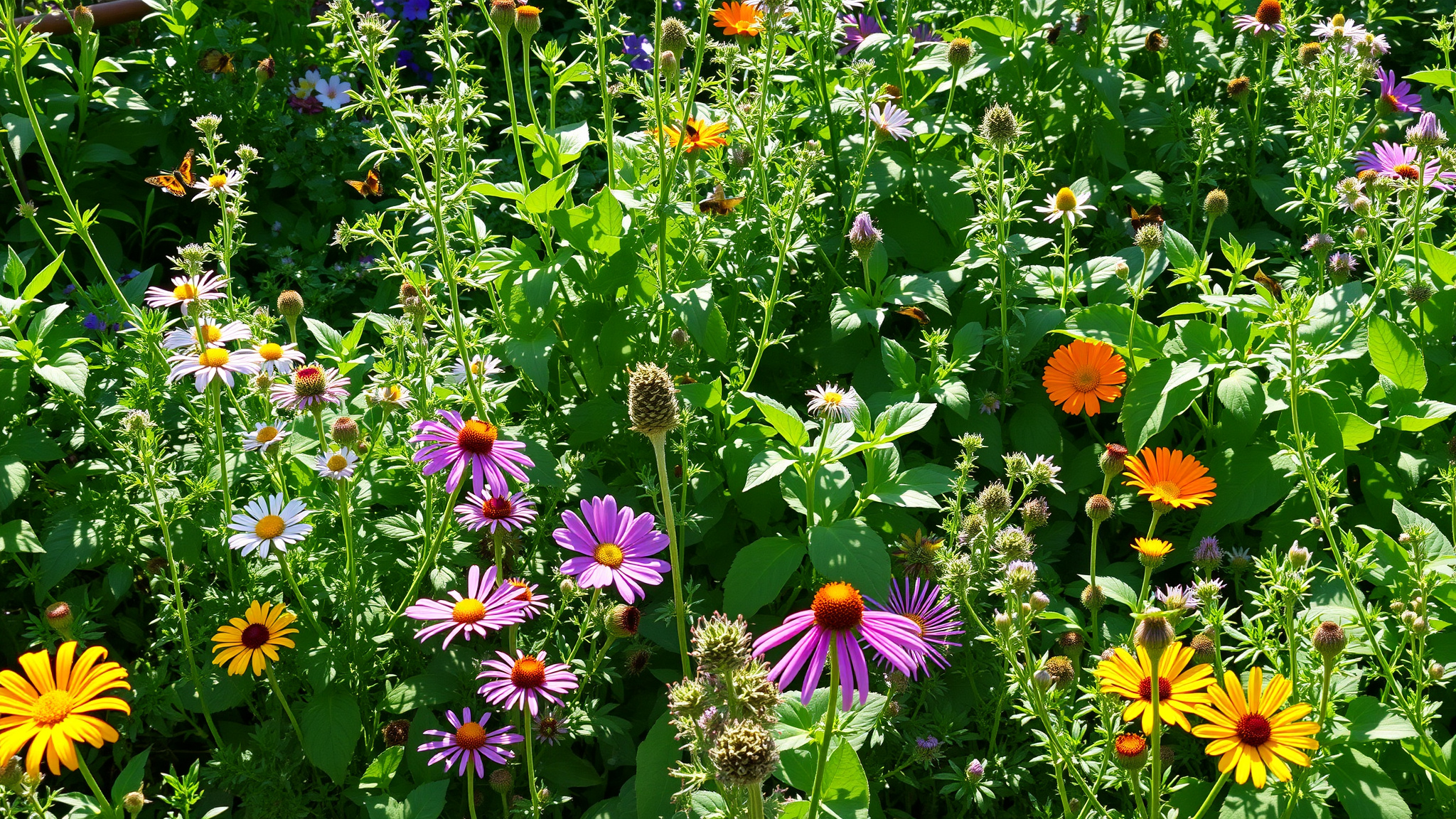
Classic Culinary Herbs Martha Always Grows
1. Basil
No summer garden feels complete without basil. It’s perfect for caprese salads, sauces, and garnishes. Martha’s tip: pinch basil regularly to prevent flowering and encourage bushier growth. Basil also pairs beautifully with flowers in mixed beds.
Martha Garden


 +42
+422. Parsley
Flat-leaf parsley is a kitchen staple and adds lush greenery to garden borders. It’s hardy, versatile, and easy to tuck between rows of vegetables or along pathways.
3. Chives
Chives bring elegance with their grass-like leaves and purple blooms. They’re low-maintenance, perennial, and useful in countless recipes. Chive flowers also double as edible garnishes.
4. Thyme
Thyme’s low-growing habit makes it a favorite for Martha-style edging. It thrives in full sun, resists drought, and works beautifully in Mediterranean-inspired dishes.
5. Rosemary
This woody, evergreen herb provides year-round structure. Rosemary’s upright form makes it perfect for containers, hedging, or focal points. Its fragrance and flavor are unmatched.
6. Mint
Mint is vigorous and best contained in pots, but its fresh scent and usefulness in teas, desserts, and cocktails make it a must-have. A row of potted mint adds Martha’s signature neatness and charm.
7. Dill
With its feathery foliage and yellow flowers, dill adds texture and height. It’s great for pickling, seasoning, and attracting pollinators.
8. Sage
Sage offers soft, silvery leaves that bring contrast to green beds. It’s hardy, perennial, and excellent for both cooking and ornamental displays.
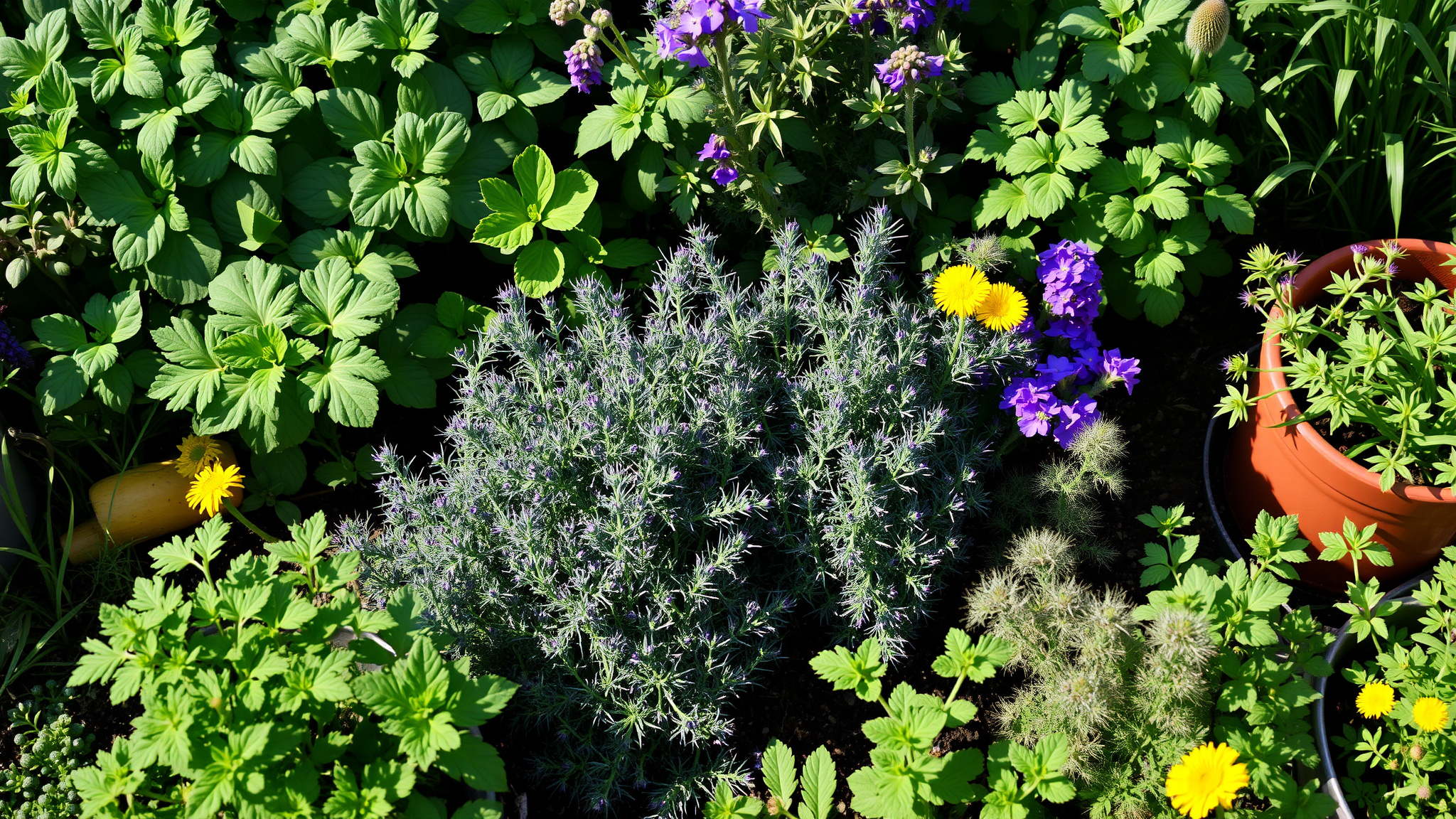
Herbs for Structure and Style
9. Lavender
Martha often uses lavender for its fragrance and beauty. Its purple blooms create stunning borders and attract pollinators. Dried lavender can also be used for sachets or table décor.
10. Oregano
A hardy herb that spreads beautifully, oregano adds lush greenery to garden edges. It’s both decorative and practical for cooking.
11. Bay Laurel
This woody shrub provides evergreen structure and glossy leaves. A potted bay laurel on a patio instantly elevates the space with a Martha-style touch.
12. Fennel
Fennel’s tall fronds add vertical drama, while its bulbs and seeds are culinary treasures. It’s striking in mixed beds or near vegetable rows.
Growing Herbs the Martha Way
Martha Stewart’s approach is as much about presentation as it is about practicality. To style your herbs like hers:
- Plant herbs in neat rows or matching terracotta pots.
- Mix them with vegetables and flowers for a layered look.
- Place pots of herbs near the kitchen for easy access.
- Use them as decorative accents on patios, windowsills, and tabletops.
This makes herbs feel integrated into the overall design rather than just functional.
Martha-Style Tips for Picture Perfect Herbs
- Prune regularly to keep herbs tidy and lush.
- Harvest often to encourage new growth.
- Water consistently but avoid soggy soil.
- Replace tired annuals like basil or dill with fresh seedlings each season.
- Overwinter perennials like rosemary indoors in cold climates.
Consistency and care are the real secrets to keeping herbs vibrant.
Common Mistakes to Avoid
- Planting mint directly in garden beds, where it quickly takes over.
- Ignoring pruning, which makes herbs leggy and less attractive.
- Overwatering woody herbs like rosemary and sage.
- Forgetting to replace soil in containers each year for nutrients.
By avoiding these mistakes, your herbs will thrive beautifully.
FAQs About Martha-Ready Herbs
1. Do I need a large garden to grow these herbs?
No, even a small balcony or windowsill can hold pots of basil, thyme, and chives.
2. What’s the easiest herb for beginners?
Chives and parsley are forgiving, hardy, and grow well in small spaces.
3. How can I keep herbs looking neat all season?
Prune regularly, water carefully, and refresh soil in containers each spring.
4. Which herbs provide year-round beauty?
Rosemary, bay laurel, and lavender offer structure and greenery all year long.
5. How can I style herbs the Martha way?
Use matching pots, symmetrical arrangements, and integrate herbs with flowers or vegetables for a polished look.
Final Thoughts
Herbs are the hidden detail that make any garden Martha-ready. With classics like basil, rosemary, and thyme alongside stylish choices like lavender and bay laurel, your garden can achieve both elegance and practicality. When cared for thoughtfully and styled with intention, herbs bring fragrance, beauty, and flavor—the perfect finishing touch for a timeless garden.