
Martha Stewart’s gardens are admired for their elegance, order, and productivity. One of her timeless secrets is blending vegetables with flowers — not only to maximize beauty but also to enhance function. By combining the practicality of a vegetable garden with the charm of floral displays, Martha creates outdoor spaces that are both stunning and sustainable. You can apply the same principles at home, turning your vegetable beds into colorful, vibrant features that nourish both the body and the eye.
Why Mix Vegetables and Flowers?
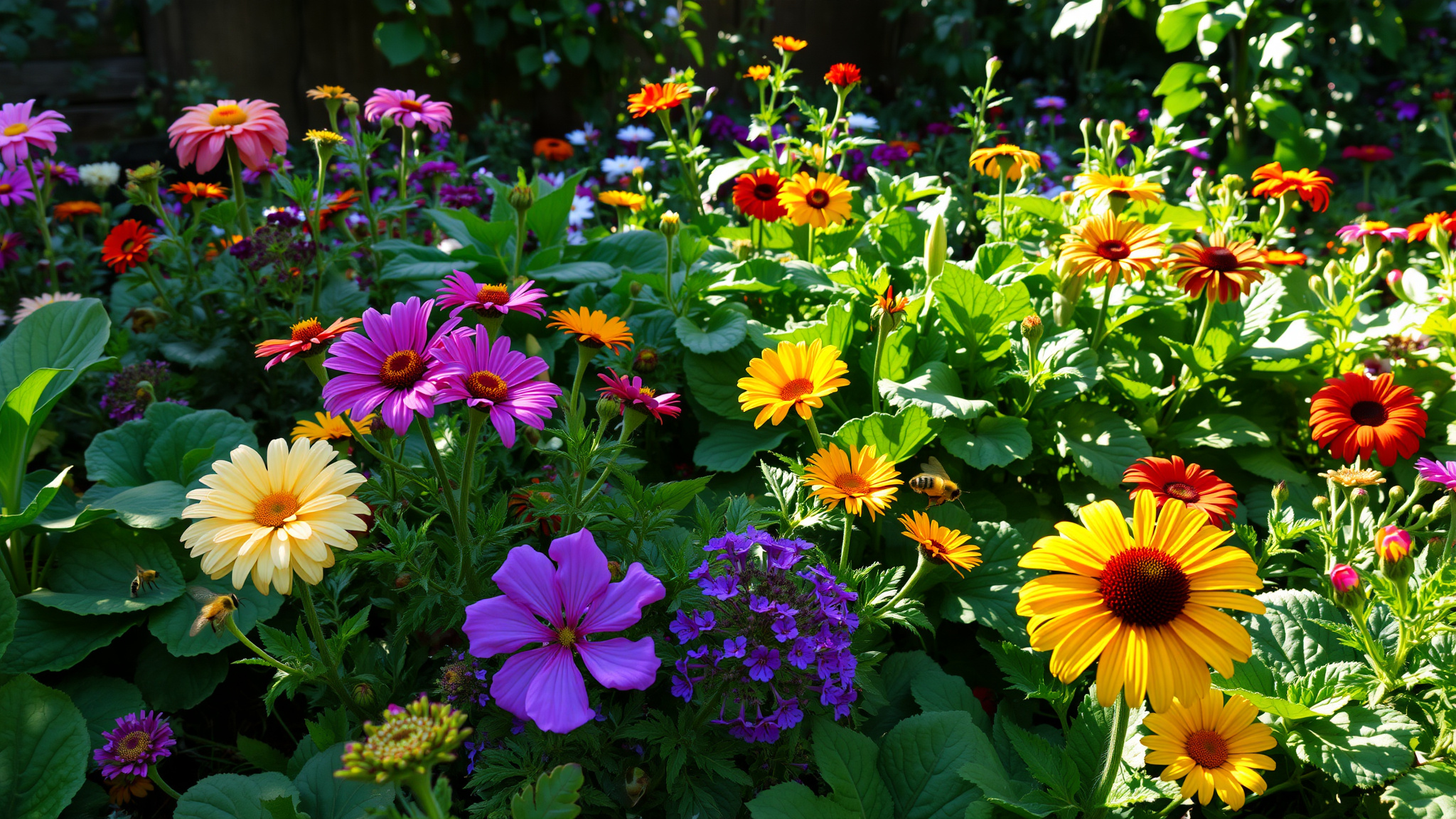
Pairing veggies with flowers goes beyond aesthetics. Flowers attract pollinators, which boost yields of fruiting vegetables. They also repel pests, improve biodiversity, and create a healthier ecosystem. Meanwhile, vegetables contribute structure, lush foliage, and seasonal variety. Together, they make the garden more resilient and far more inviting.
The Power of Companion Planting
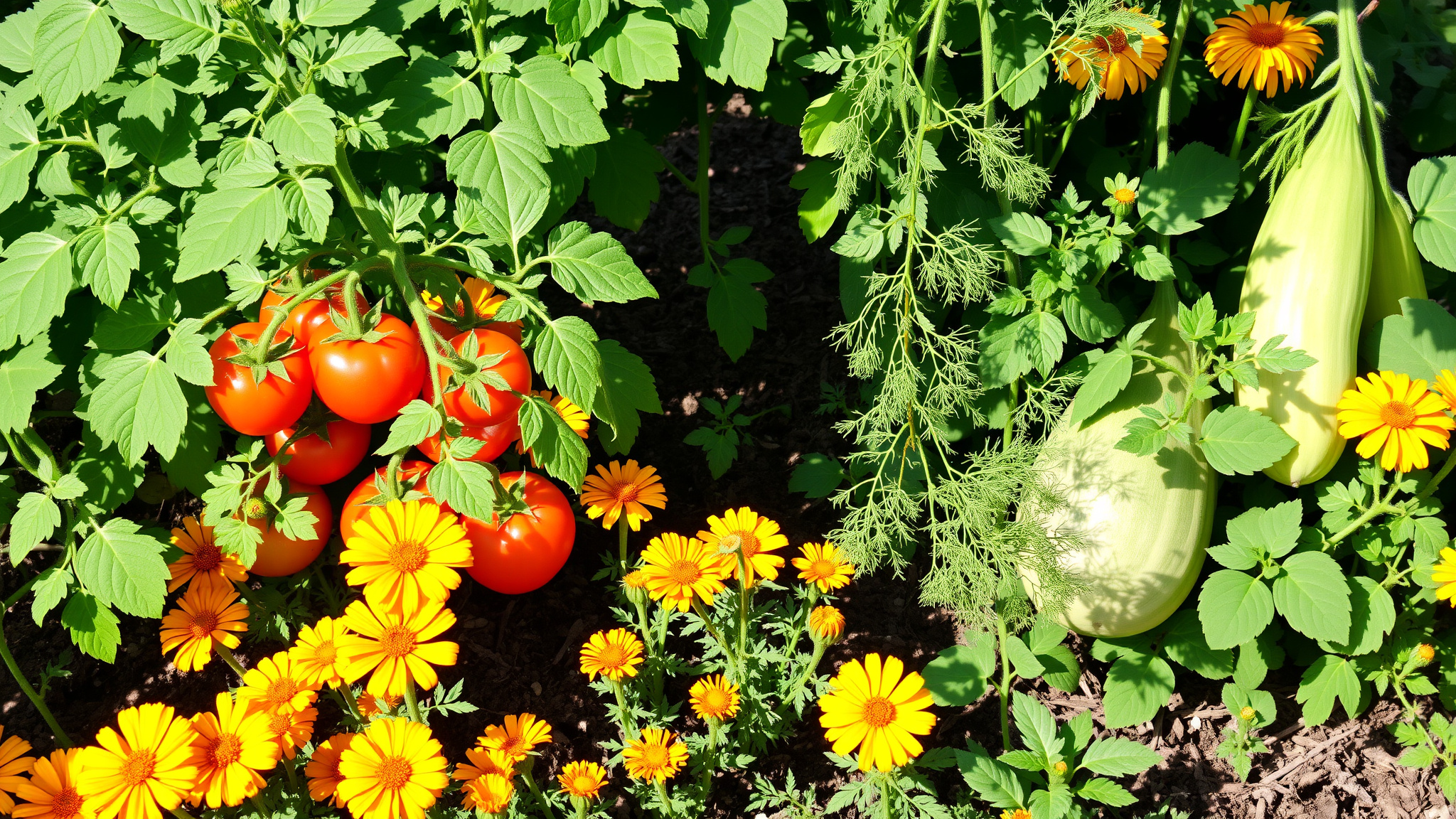
Martha often relies on companion planting — the practice of pairing plants that benefit each other. For example, marigolds deter pests around tomatoes, while nasturtiums protect squash and cucumbers. Herbs like basil or dill not only flavor dishes but also attract beneficial insects that keep harmful pests away. Thoughtful pairings result in beds that are productive, pest-resistant, and beautiful.
Design With Layers and Color
To capture Martha’s style, think like a designer. Place tall plants like sunflowers or climbing beans at the back or on trellises, medium-height vegetables like peppers and kale in the middle, and low-growing flowers such as alyssum or calendula along the edges. Mixing bold flower colors with leafy greens and bright vegetables creates lush, layered beds that feel both abundant and intentional.
Martha Garden


 +42
+42Add Vertical Interest
Vertical features are a Martha hallmark. Arches, trellises, or obelisks covered in beans, peas, or climbing roses add drama and structure. These vertical accents maximize space and create garden rooms that feel curated, not just planted. They also help airflow around vegetables, reducing disease and improving harvest quality.
Use Flowers to Extend the Season
Flowers keep the vegetable garden lively beyond the main growing season. Early bloomers like pansies brighten spring beds, while late-season asters and chrysanthemums add color as vegetable harvests wind down. Martha’s gardens are designed to look alive year-round, and flowers are key to bridging seasonal gaps.
Embrace Edible Flowers
Edible blooms such as nasturtiums, calendula, and violas are staples in Martha’s gardens. They add color to vegetable beds and can be harvested for salads, garnishes, and teas. Mixing edible flowers with vegetables creates a garden that is as useful in the kitchen as it is attractive outdoors.
Keep It Neat and Organized
Martha’s gardens always feel orderly, even when overflowing with growth. Raised beds with defined edges, clear pathways, and symmetrical layouts keep the mix of veggies and flowers looking curated rather than chaotic. Using natural borders like stone or cedar frames ensures the garden feels polished.
Surround Beds With Fragrance
Fragrance is another layer Martha uses to enhance the sensory appeal of her gardens. Lavender, rosemary, and thyme planted alongside vegetables add aromatic charm while also repelling pests. Combining scent, texture, and color turns a practical vegetable garden into a multisensory experience.
Conclusion
Martha Stewart’s signature garden style shows that vegetables and flowers are perfect companions. By designing with layers, incorporating vertical interest, and using companion planting, you can achieve a garden that is productive, resilient, and beautiful. Mixing blooms with edibles creates spaces that feel abundant and timeless — a garden that feeds both the body and the soul.
FAQs
Why should I combine flowers with vegetables?
Flowers attract pollinators, deter pests, and add beauty, while vegetables provide structure and harvests.
What flowers work best in vegetable beds?
Marigolds, nasturtiums, calendula, sunflowers, and edible blooms like violas are excellent choices.
How do I keep a mixed garden looking organized?
Use raised beds, defined pathways, and symmetrical layouts to balance productivity with elegance.
Can edible flowers really be eaten?
Yes. Nasturtiums, calendula, and violas are safe, flavorful, and add vibrant color to dishes.
Is this method good for small gardens?
Absolutely. Even in compact spaces, mixing flowers and vegetables maximizes space and improves overall garden health.