
Arranging furniture in a small living room can be a daunting task, but with the right strategies, it can transform your space into a functional and inviting area. Whether you're aiming for a cozy atmosphere or a sleek, modern look, the arrangement of your furniture plays a crucial role. In this article, we will explore various techniques to maximize your small living room's potential, offering practical tips and creative ideas to help you make the most of your limited space.
Choose the Right Furniture Scale
When it comes to small living rooms, selecting furniture that fits the scale of your space is essential. Oversized furniture can overwhelm a small area, making it feel cramped. Instead, opt for pieces that are proportionate to the room. Consider a compact sofa or loveseat rather than a bulky sectional. Additionally, look for furniture with exposed legs, as this creates an illusion of more space.
Multi-Functional Pieces
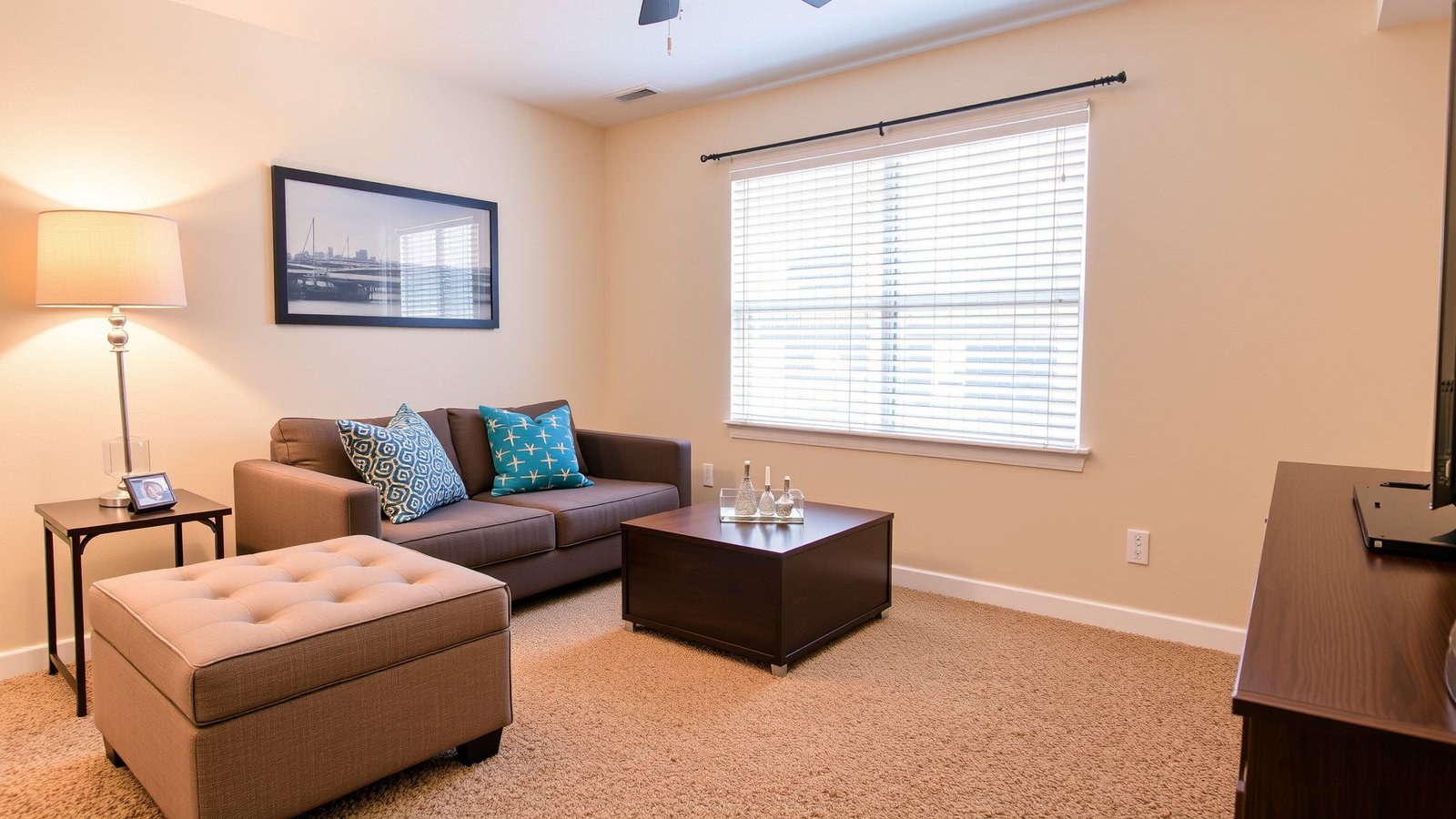
Incorporate multi-functional furniture to maximize utility without compromising on style. A coffee table with storage, an ottoman that doubles as seating, or a sofa bed can help save space while providing additional functionality. These versatile pieces can adapt to your needs, whether you are entertaining guests or simply relaxing at home.
Establish a Focal Point
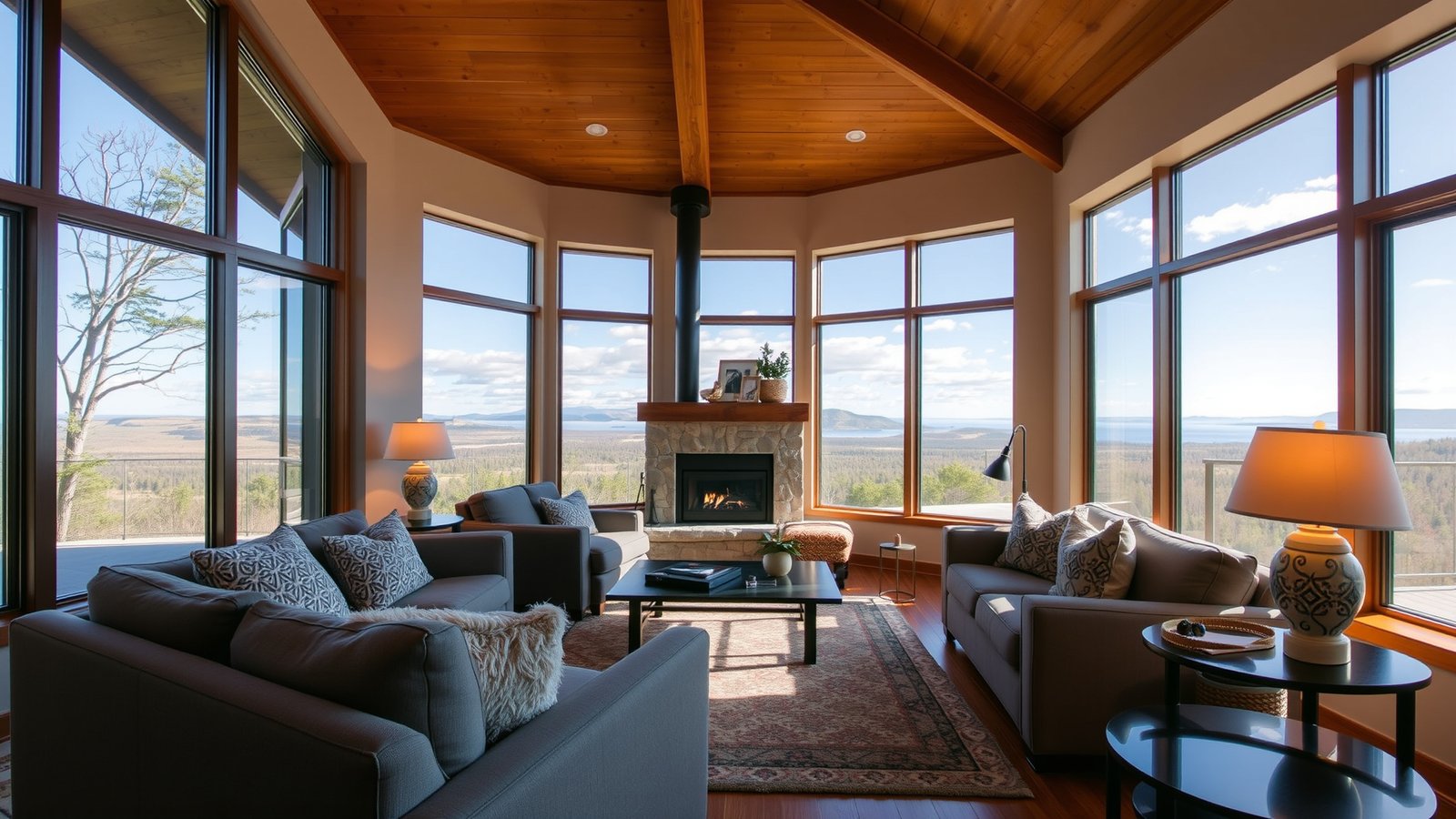
Every living room should have a focal point that draws the eye and anchors the space. This could be a fireplace, a piece of artwork, or a large window with a view. Arrange your furniture to highlight this focal point. For instance, position your seating around the focal point to create a cozy and inviting atmosphere, encouraging conversation and interaction.
Area Rugs to Define Spaces
Using area rugs can help define different areas within your small living room. Choose a rug that fits under the front legs of your furniture to create a cohesive look. This can visually separate the seating area from other spaces, such as a reading nook or a workspace, giving the room a more organized and spacious feel.
Utilize Vertical Space
In small living rooms, it is important to think vertically. Utilizing wall space can help free up floor space, making your room feel larger. Consider installing shelves or wall-mounted storage units to keep items organized and easily accessible. Vertical bookcases can also draw the eye upward, creating the illusion of height in the room.
Creative Wall Decor
Incorporate wall decor that adds character without taking up space. Mirrors are an excellent choice as they reflect light and create a sense of depth. Additionally, artwork or photographs can be arranged in a gallery style to add personality. This not only enhances the visual appeal but also makes the room feel more inviting.
Optimize Traffic Flow
Maintaining good traffic flow is crucial in a small living room. Consider how people will move through the space and arrange your furniture accordingly. Leave sufficient space between pieces to ensure easy movement. A good rule of thumb is to allow at least 18 inches of walking space between furniture to create an open and accessible environment.
Flexible Seating Arrangements
Flexible seating arrangements can enhance the functionality of your small living room. Consider using lightweight chairs or stools that can be easily moved around. This allows you to change the layout depending on your needs, whether hosting guests or enjoying a quiet evening at home. Flexibility can help you adapt the space for various occasions.
Light and Color Considerations
The right choice of colors and lighting can significantly impact the perception of space in a small living room. Lighter colors tend to open up a room and make it feel more airy. Soft pastels or neutral shades can create a calming atmosphere. Additionally, use layered lighting—such as floor lamps, table lamps, and overhead fixtures—to brighten the room and eliminate dark corners.
Natural Light Enhancement
Maximize natural light by keeping window treatments minimal. Opt for sheer curtains that allow light to filter through while maintaining privacy. This can make your small living room feel more spacious and inviting. Position mirrors strategically to reflect light and bounce it around the room, further enhancing the open feel.
FAQs
What furniture should I avoid in a small living room?
Avoid oversized furniture and bulky pieces that can overwhelm the space. Heavy, dark furniture can make the room feel cramped. Instead, opt for lighter, more streamlined options that fit comfortably within the room's dimensions.
How can I make my small living room feel cozier?
To create a cozy atmosphere, add textiles such as throws and cushions. Layering different textures can enhance comfort. Additionally, warm lighting and personal decor items, such as photos or mementos, can contribute to a welcoming environment.
Is it better to arrange furniture in a straight line or an L-shape?
It depends on your space and preferences. An L-shape arrangement works well for creating intimate seating areas and can help define spaces within the room. A straight line can make movement easier, while an L-shape can enhance conversation and interaction.
Conclusion
Arranging furniture in a small living room requires thoughtful planning and creativity. By selecting the right scale of furniture, establishing a focal point, and optimizing vertical space, you can transform your living area into a stylish and functional environment. Incorporating multi-functional pieces and maintaining good traffic flow will ensure that the space is not only beautiful but also practical. With these strategies, you can create a cozy, inviting atmosphere that makes the most of your small living room.