
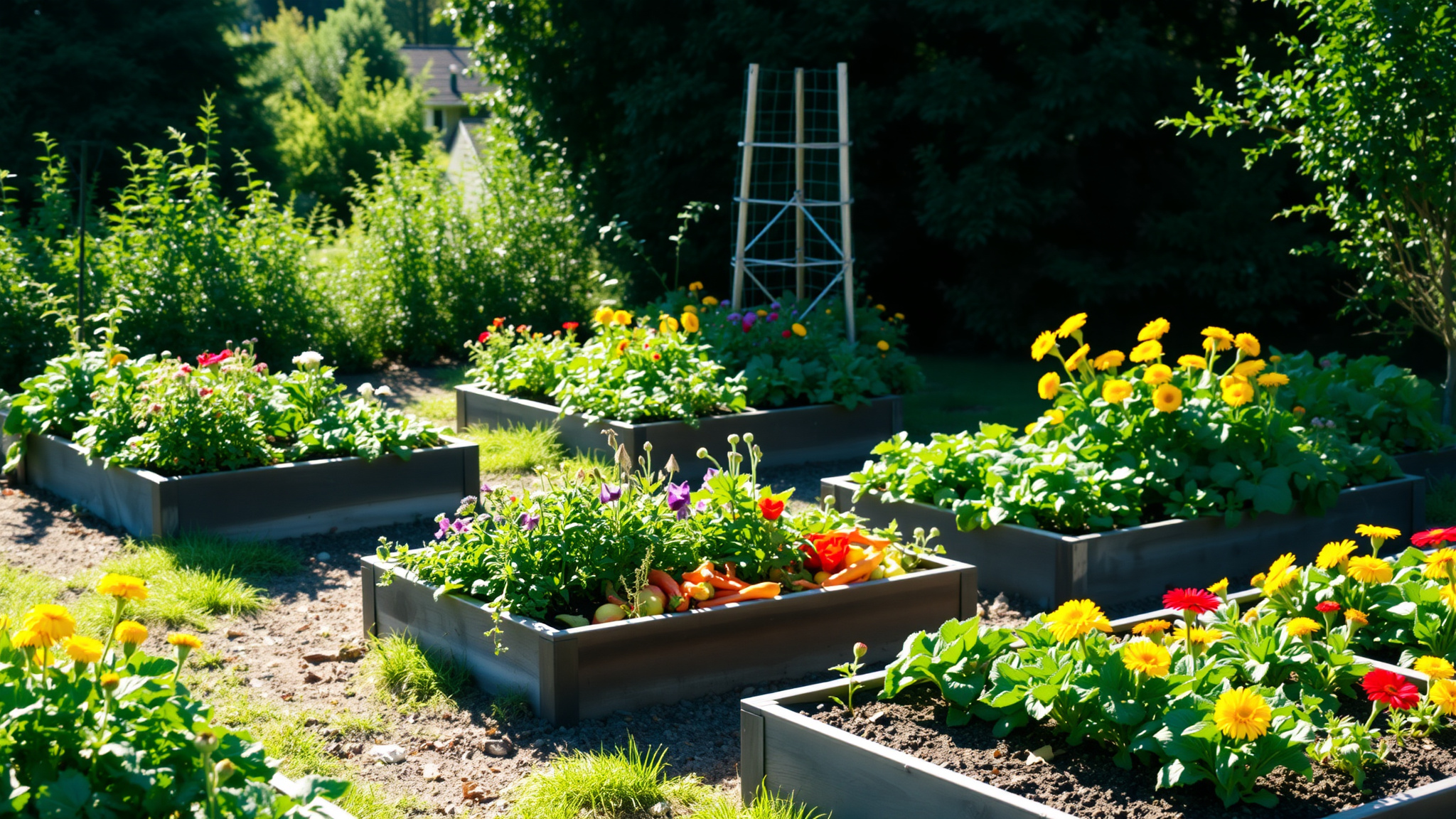
Raised beds are a hallmark of organized, productive, and beautiful gardens. Martha Stewart has long championed them in her own outdoor spaces, showing how structure and practicality can blend seamlessly with elegance. Building raised beds Martha style means creating garden features that are not only functional but also timeless and stylish. Whether you’re growing vegetables, herbs, or flowers, these beds bring order, ease of maintenance, and a polished look to any yard.
Why Raised Beds Work So Well
Raised beds offer countless benefits:
- Improved soil quality: You control the soil mix, making it nutrient-rich and well-drained.
- Better organization: Defined beds keep crops neat and manageable.
- Easier maintenance: Weeding, watering, and harvesting are less strenuous.
- Extended growing season: Soil warms up faster in spring and drains better after rain.
- Enhanced style: Structured beds elevate the entire garden design.
Martha embraces raised beds because they create abundance and order while looking refined.
Choosing the Right Location
Martha-style gardens are always thoughtfully placed. Look for:
Martha Garden


 +42
+42- Full sun: Most crops need at least six to eight hours daily.
- Accessibility: Place beds near paths, sheds, or water sources.
- Good drainage: Avoid low-lying areas prone to standing water.
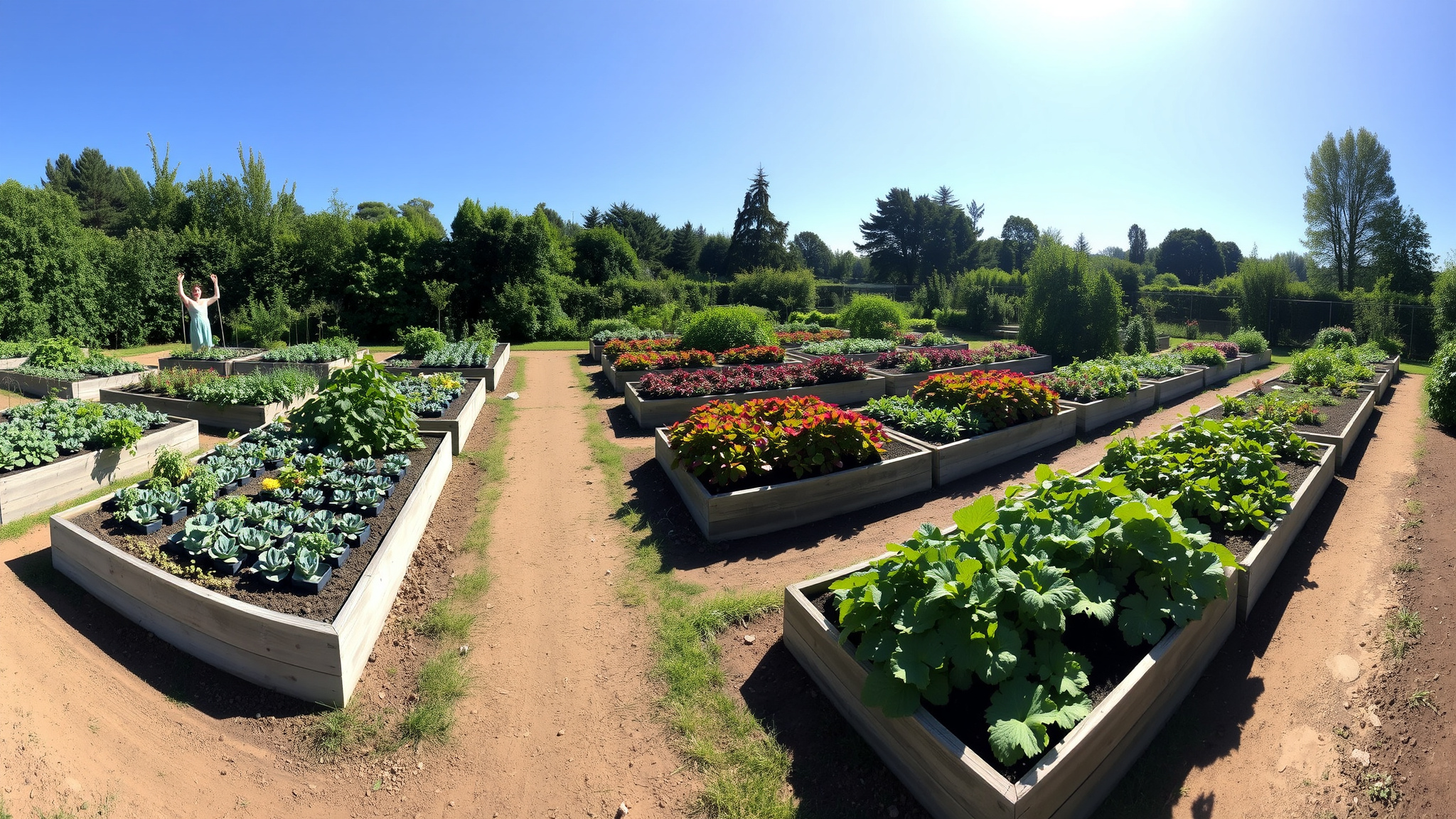
Arrange beds symmetrically or in grids for a polished, Martha-inspired design.
Selecting Materials
Farmhouse durability and natural charm define Martha’s approach.
- Wood: Cedar or redwood are naturally rot-resistant and age beautifully.
- Stone or brick: Adds permanence and elegance.
- Reclaimed materials: Old timbers, bricks, or galvanized troughs for rustic authenticity.
Choose materials that blend with your home and garden style. Martha favors quality that lasts, ensuring raised beds look good year after year.
Determining Size and Shape
The classic Martha style favors proportion and symmetry.
- Standard height: 12–24 inches for vegetables.
- Width: No wider than 4 feet so you can reach from both sides.
- Length: Varies, but longer beds look elegant when aligned in rows.
- Shape: Rectangular beds in grid patterns create an organized layout.
Borders should be clean, balanced, and visually appealing.
Building the Beds
Follow these simple steps to create Martha-inspired raised beds:
- Measure and mark: Outline your chosen space with stakes and string.
- Cut and secure materials: Screw wood boards together or stack bricks/stone firmly.
- Level the frame: A clean, level edge creates a polished look.
- Line the bottom (optional): Hardware cloth deters burrowing pests.
- Fill with soil mix: Combine compost, topsoil, and organic matter.
Martha always emphasizes starting with rich soil — the foundation of garden success.
Filling the Beds the Right Way
Soil is key to abundance. Use a mix that is loose, nutrient-rich, and well-drained:
- 50% topsoil
- 30% compost
- 20% sand, perlite, or peat for drainage
Amend seasonally with compost or organic fertilizer to maintain fertility.
Adding Style to Function
Martha’s raised beds are never just practical — they’re beautiful too.
- Gravel or stone paths between beds keep areas tidy and elegant.
- Defined edging prevents soil from spilling and adds polish.
- Trellises or arches at bed ends add vertical interest for peas, beans, or roses.
- Matching containers or décor nearby create harmony.
The goal is a garden that feels both productive and designed.
Planting Martha Style
Raised beds maximize planting opportunities. Martha layers crops to make gardens feel abundant and efficient.
- Plant tall crops like tomatoes or trellised beans at the back.
- Use the middle for medium-height vegetables like peppers or kale.
- Fill edges with low growers such as herbs, lettuces, or marigolds.
This layered look keeps beds visually full and productive from every angle.
Maintenance Tips
To keep beds looking Martha-approved:
- Refresh mulch each season for neatness.
- Rotate crops yearly to maintain soil health.
- Keep edges trimmed and paths weed-free.
- Re-stain or treat wood frames periodically to extend their life.
Attention to detail is what makes Martha’s gardens stand out.
The Long-Term Payoff
Raised beds built with care not only boost productivity but also elevate your entire yard. With good soil, thoughtful design, and timeless materials, your garden becomes both practical and beautiful. Following Martha’s approach means your raised beds will look elegant while producing generous harvests for years to come.
FAQs About Building Raised Beds Martha Style
What’s the best wood for raised beds?
Cedar and redwood are ideal because they resist rot naturally and age gracefully.
How deep should raised beds be?
At least 12 inches, but deeper beds (up to 24 inches) are better for root vegetables.
Can raised beds work in small yards?
Yes. Even one or two beds add structure and productivity to compact spaces.
Do raised beds require a lot of upkeep?
Not much. With good soil and seasonal composting, maintenance is minimal.
How can I make raised beds look more stylish?
Add gravel paths, trellises, and coordinated planters for a polished, Martha-inspired finish.