
When you think of Martha Stewart’s gardens, one image often comes to mind: neat, elegant rows of vegetables that look as beautiful as they are productive. Her vegetable gardens are both orderly and abundant, a perfect balance of function and design. The secret to Martha style vegetable rows isn’t complicated—it’s about planning, structure, and attention to detail. With a few simple techniques, you can transform your vegetable garden into a space that’s both practical and picture-perfect.
Why Martha Style Vegetable Rows Stand Out
Martha’s vegetable gardens are admired because they feel timeless, organized, and inspiring. Her rows are more than just lines of plants—they reflect an approach that:
- Maximizes productivity while maintaining elegance.
- Keeps gardens easy to maintain and harvest.
- Enhances the visual appeal of the garden.
- Blends seamlessly with surrounding flower beds and outdoor décor.
The combination of beauty and function is the hallmark of Martha’s style.
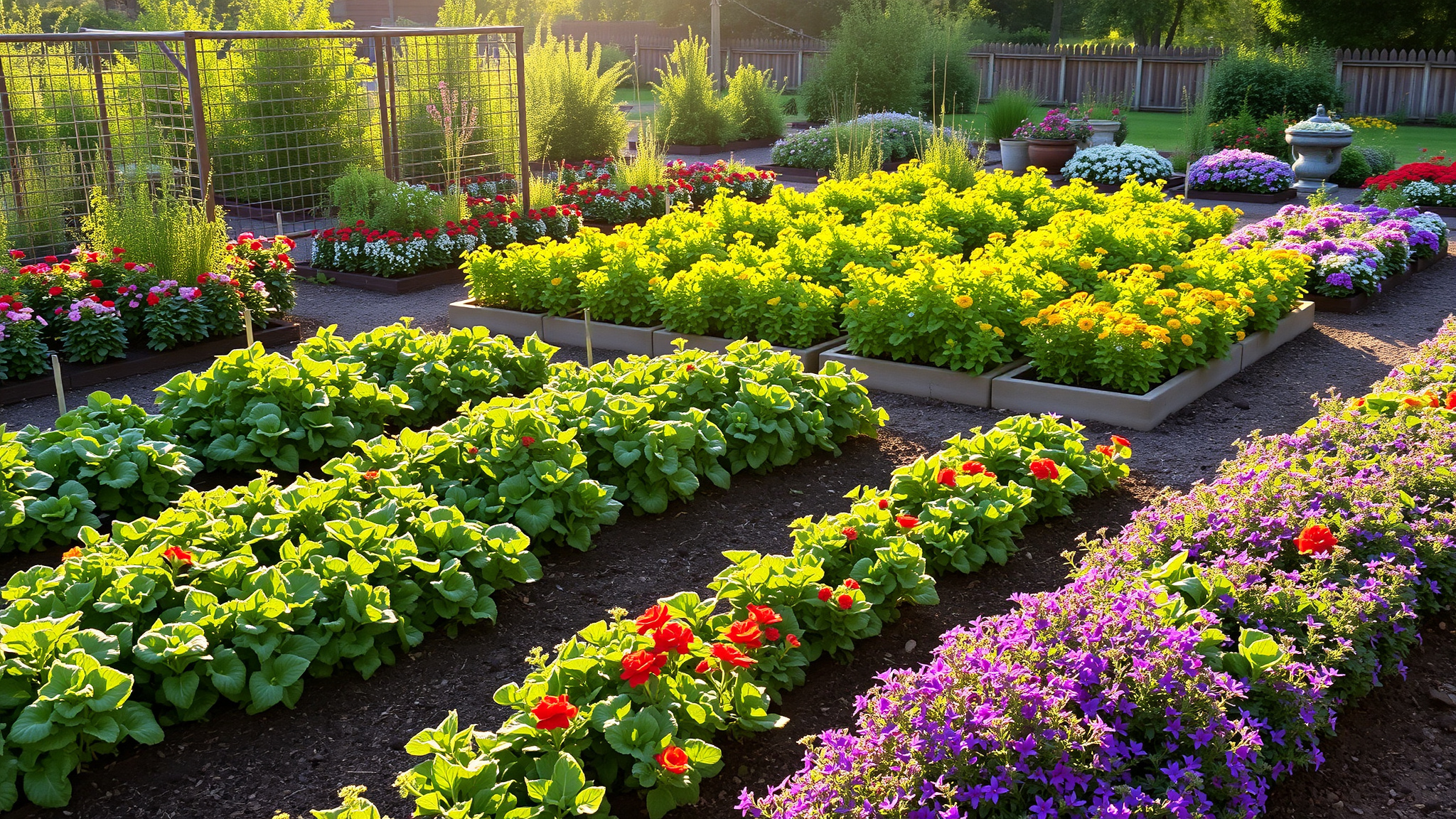
Step 1: Plan With Precision
Martha-inspired gardens start with planning. Before planting, map out your rows carefully:
Martha Garden


 +42
+42- Use straight lines or symmetrical patterns.
- Allow wide paths for easy access with baskets, tools, or wheelbarrows.
- Group plants by size, maturity rate, or growing season.
- Place taller crops at the back or in a separate section so they don’t shade smaller ones.
A clear layout creates order and sets the stage for a tidy, elegant garden.
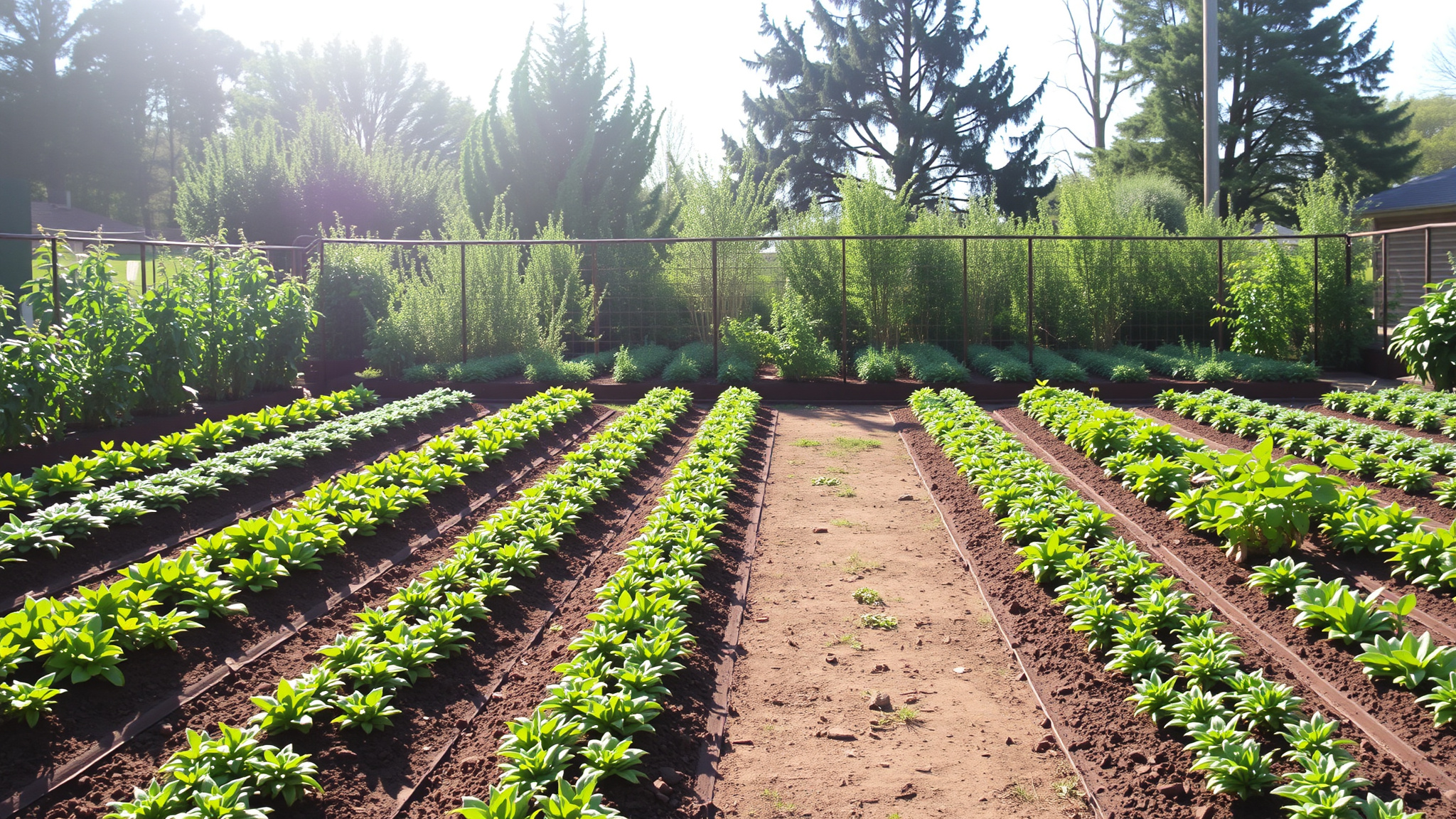
Step 2: Elevate With Raised Beds
Raised beds are a classic feature in Martha’s gardens. They offer:
- Better drainage and healthier soil.
- Defined edges that keep rows neat.
- Easier maintenance and harvesting.
- A structured look that adds design value.
Wood, stone, or brick borders give raised beds the timeless style Martha is known for.
Step 3: Perfect the Spacing
Crowded plants compete for resources and look messy. Martha’s rows stand out because she respects spacing:
- Follow guidelines for each vegetable type.
- Use string lines or wooden boards to mark straight rows.
- Keep walkways wide enough for comfort and airflow.
Proper spacing creates symmetry and healthier crops.
Step 4: Add Organic Mulch
Mulching is both practical and aesthetic. Martha often uses straw, shredded leaves, or bark to:
- Suppress weeds naturally.
- Retain moisture in soil.
- Create clean, polished rows.
- Reduce muddy pathways after rain.
Mulch makes your rows look intentional while improving plant health.
Step 5: Integrate Companion Planting
Martha’s vegetable gardens aren’t just orderly—they’re smart. Companion planting enhances growth while keeping rows beautiful:
- Marigolds to deter pests around tomatoes.
- Basil planted near peppers and lettuce.
- Carrots interplanted with onions to repel pests.
- Nasturtiums trailing at row edges for charm and function.
This approach boosts productivity while adding color and variety.
Step 6: Use Supports With Style
Trellises, cages, and stakes are essential in vegetable gardens. Martha’s style makes them part of the design:
- Wooden trellises for peas and beans.
- Woven willow or bamboo arches for climbing plants.
- Sturdy cages for tomatoes, painted or stained to match garden structures.
Well-chosen supports add vertical beauty while keeping plants healthy.
Step 7: Keep It Tidy
Martha’s gardens always look cared for, even in peak season. To maintain that look:
- Weed rows weekly before problems build.
- Harvest regularly to prevent overcrowding.
- Prune leaves and stems that block airflow.
- Refresh mulch and compost as needed.
A tidy garden reflects both discipline and pride.
Step 8: Mix Vegetables With Flowers
For Martha, vegetables are never just about food—they’re part of the landscape. Edges and rows often include flowers that:
- Attract pollinators.
- Deter pests.
- Add vibrant beauty to the rows.
- Create balance between productivity and style.
Calendula, zinnias, or nasturtiums are favorites for blending into vegetable rows.
Common Mistakes to Avoid
- Planting haphazardly without a layout plan.
- Ignoring spacing guidelines, leading to overcrowding.
- Using flimsy supports that collapse mid-season.
- Forgetting to blend beauty with practicality.
Avoiding these mistakes keeps your rows Martha-worthy.
FAQs About Martha Style Vegetable Rows
1. Do I need raised beds for Martha-inspired rows?
No, but raised beds help create defined, elegant lines. Traditional in-ground rows can also be styled neatly with careful spacing and mulching.
2. How do I keep my vegetable rows looking tidy all season?
Stay consistent with weeding, pruning, and harvesting. Adding mulch is the easiest way to maintain a polished look.
3. Can I use flowers in vegetable rows without reducing space for crops?
Yes, edge rows or plant flowers between crops to maximize both beauty and function.
4. What vegetables work best in straight rows?
Leafy greens, carrots, beans, and onions all thrive in rows. Mix with trellised crops for variety.
5. Is this style only for large gardens?
Not at all. Even small gardens or patios with raised beds can capture the Martha aesthetic.
Final Thoughts
The secret to Martha style vegetable rows is about blending productivity with design. By planning carefully, using raised beds, adding organic mulch, and integrating companion plants, you’ll create rows that are orderly, productive, and beautiful. A garden styled this way doesn’t just feed your family—it enriches your home with the timeless elegance Martha Stewart is known for.