
Transforming your living room through lighting can create an inviting atmosphere, enhance the aesthetic appeal, and influence the mood of the space. Proper lighting not only serves a functional purpose but also acts as a powerful design element. This article delves into various lighting techniques and styles that can elevate your living room, making it a cozy haven for relaxation or an elegant space for entertaining guests.
Layered Lighting
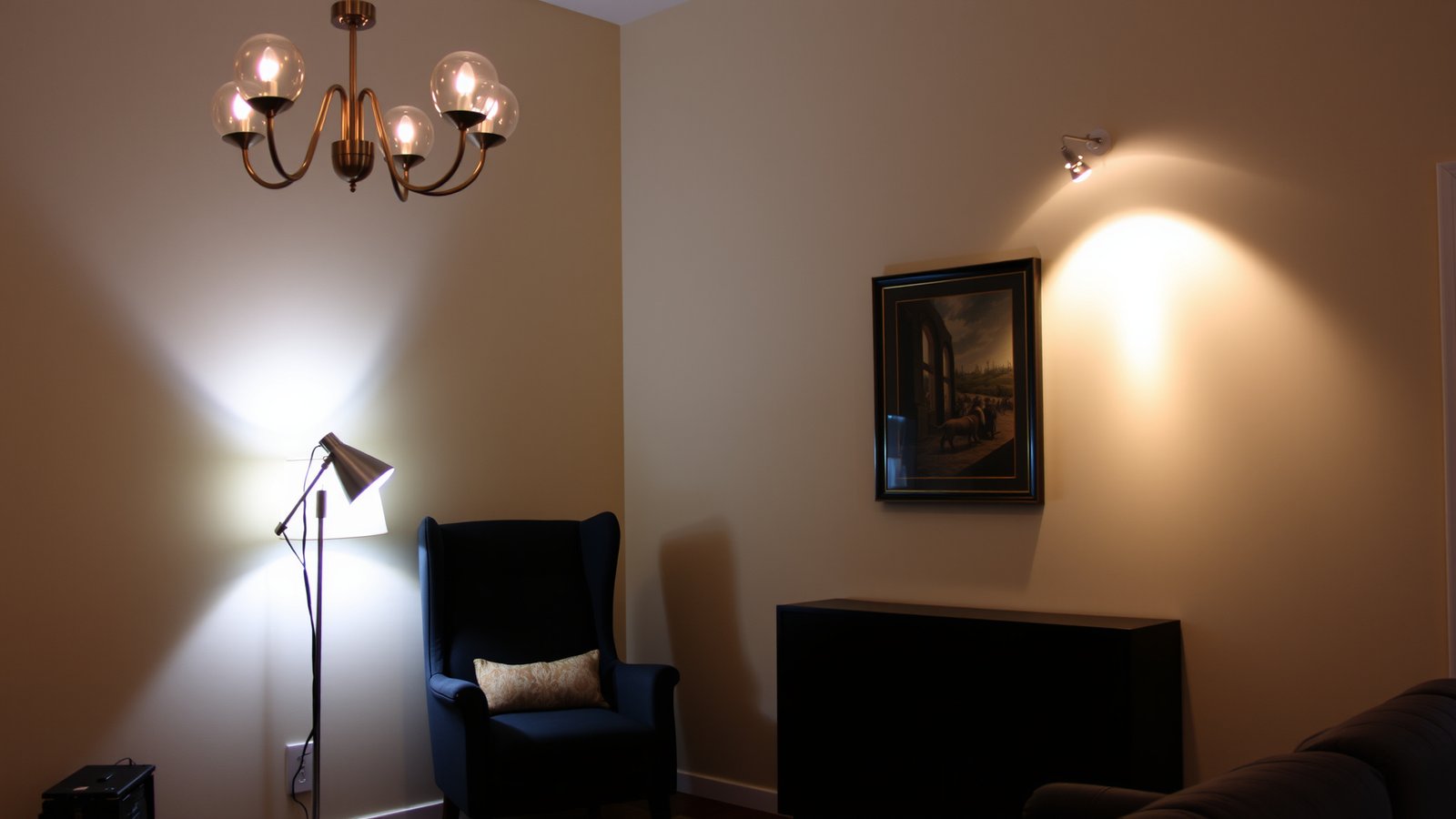
Layered lighting involves combining different types of lighting to achieve a balanced and versatile illumination. This technique typically incorporates ambient, task, and accent lighting, each serving a unique purpose.
Ambient Lighting
Ambient lighting is the foundation of layered lighting, providing overall illumination. It can be achieved through ceiling fixtures, chandeliers, or recessed lighting. Choose fixtures that complement your room's decor while ensuring they provide sufficient light. For instance, a contemporary chandelier can serve as a statement piece while illuminating the entire room.
Task Lighting
Task lighting focuses on specific areas where activities take place, such as reading or working. Floor lamps, table lamps, and wall sconces are excellent choices for task lighting. For example, a stylish floor lamp next to a comfortable chair creates a cozy reading nook, allowing you to enjoy your favorite book in a well-lit space.
Accent Lighting
Accent lighting highlights particular features or decor elements in your living room, such as artwork or architectural details. Use spotlights, track lighting, or decorative wall sconces to draw attention to these elements. A well-placed spotlight on a piece of art can dramatically change the room's atmosphere, adding depth and interest.
Smart Lighting Solutions
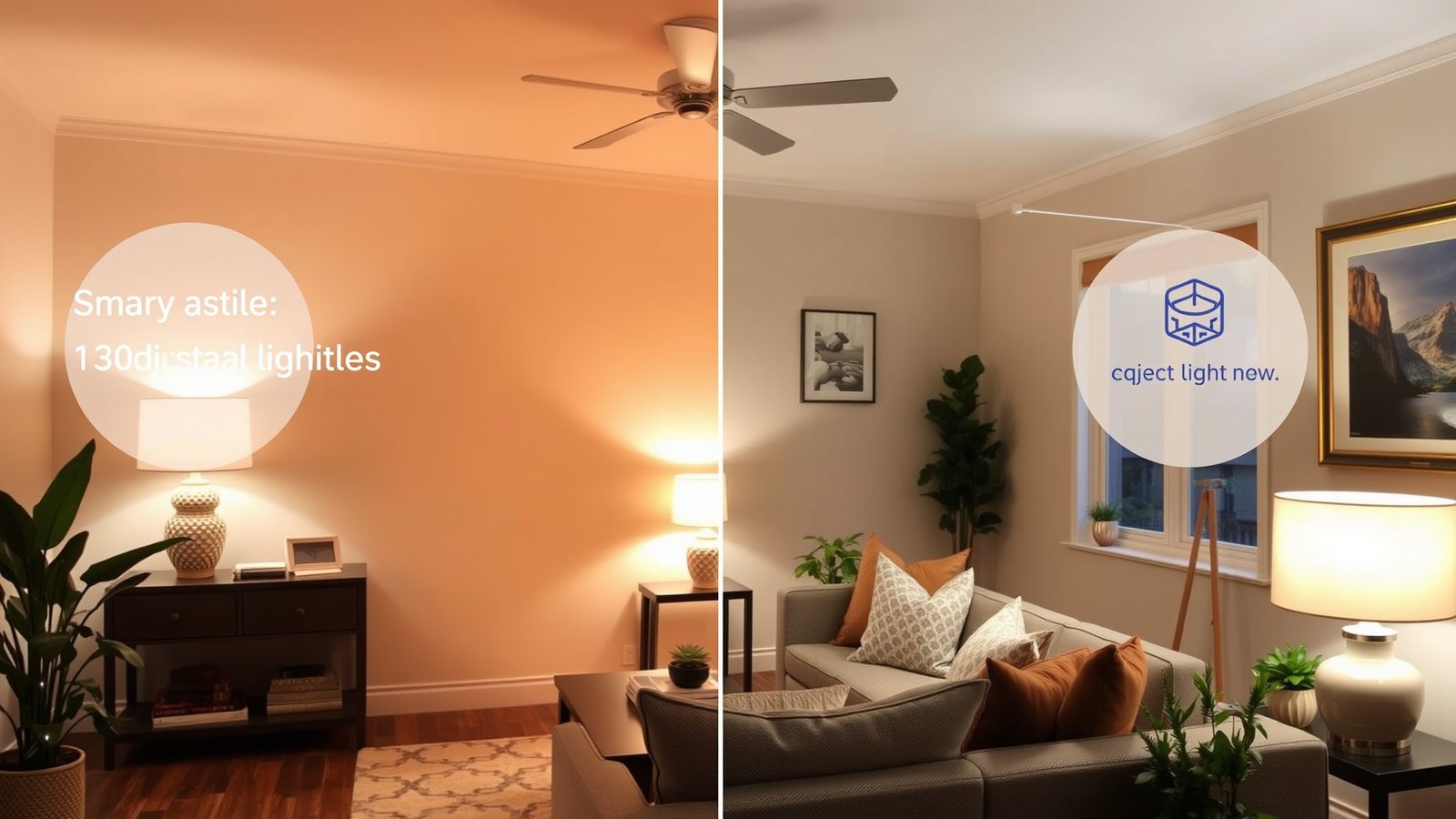
Smart lighting systems allow you to control your living room's ambiance with ease. These systems can be adjusted remotely through apps or voice commands, providing convenience and flexibility.
Adjustable Brightness
Many smart bulbs offer adjustable brightness levels, allowing you to switch from bright, energizing light to soft, relaxing illumination with just a tap. This feature is particularly useful for transitioning between activities, such as hosting a gathering or enjoying a quiet evening at home.
Color Temperature Control
Smart lighting systems often allow you to change the color temperature of your lights. Warmer tones create a cozy, inviting atmosphere, while cooler tones are more energizing and suitable for focused tasks. Experimenting with different temperatures can significantly alter the mood of your living room.
Scheduling and Automation
Smart lighting can be programmed to turn on and off at specific times, enhancing security and convenience. For example, setting your lights to gradually brighten in the morning can help you wake up more naturally, while scheduling them to turn off when you leave the house can save energy and provide peace of mind.
Statement Fixtures
Incorporating statement lighting fixtures can serve as a focal point in your living room. These bold designs not only illuminate the space but also enhance your decor style.
Chandeliers
A chandelier can instantly elevate the elegance of your living room. Whether you opt for a traditional crystal design or a modern geometric fixture, chandeliers add a touch of sophistication. Positioning a chandelier above a coffee table or seating area can create a stunning visual impact.
Pendant Lights
Pendant lights are versatile and can be used in various configurations. Hanging a cluster of pendants at different heights above a coffee table or an island can create a dramatic effect. Choose designs that align with your living room’s theme to seamlessly integrate them into the decor.
Floor Lamps
Floor lamps come in various styles, making them perfect for any living room. A tall, arc floor lamp can provide ample light while adding an artistic element to the space. Place it near a sectional sofa or armchair to create an inviting reading area.
Natural Light Enhancement
Maximizing natural light can significantly transform your living room. Natural light creates a warm and inviting environment while making the space feel larger and more open.
Window Treatments
Choosing the right window treatments can help control the amount of natural light entering your living room. Sheer curtains allow sunlight to filter through while maintaining privacy, whereas blackout curtains can block out excess light when needed. Consider layering treatments for versatility.
Mirrors
Strategically placing mirrors can enhance the effects of natural light. Mirrors reflect light and can make a room feel brighter and more spacious. Position a large mirror opposite a window to maximize the light's reach, creating an airy atmosphere.
Light-Colored Decor
Incorporating light-colored walls, furniture, and decor can help reflect natural light throughout the room. Opt for pale hues or soft pastel shades to create an uplifting environment. Light wood or white furniture can also enhance this effect, making the space feel inviting and serene.
Layering Textures with Lighting
Using lighting to highlight different textures in your living room can add depth and interest. Textured surfaces can be accentuated by strategically placed light sources.
Highlighting Textured Walls
If your living room features textured walls, such as brick or wood paneling, use directional lighting to cast shadows and highlight those textures. Wall-mounted sconces can be particularly effective in creating visual interest and enhancing the room's character.
Illuminating Fabrics
Textured fabrics, such as velvet or woven materials, can be illuminated to create a luxurious look. Use soft lighting to accentuate these fabrics, making them a focal point of your living room. Consider using lampshades that diffuse light softly to enhance the richness of these textures.
Creating Layers with Lighting Fixtures
Mixing different types of lighting fixtures can create a dynamic and visually appealing environment. For instance, pairing a sleek floor lamp with a rustic table lamp can add contrast and depth. Experiment with various materials and styles to find the perfect combination for your space.
FAQs
What are the best types of lighting for a living room?
The best types of lighting for a living room include ambient, task, and accent lighting. Ambient lighting provides overall illumination, task lighting focuses on specific areas, and accent lighting highlights decor elements.
How can I make my living room feel larger with lighting?
To make your living room feel larger, maximize natural light, use mirrors to reflect that light, and opt for light-colored decor. Layered lighting can also create a sense of depth and openness.
What is the ideal color temperature for living room lighting?
The ideal color temperature for living room lighting typically falls between 2700K and 3000K for a warm, inviting atmosphere. Cooler temperatures can be used for task-oriented areas, such as reading or working.
Conclusion
Using lighting to transform your living room is a powerful tool for enhancing both functionality and aesthetics. By incorporating layered lighting, smart solutions, statement fixtures, and natural light, you can create a space that is not only visually appealing but also comfortable and inviting. Experimenting with different lighting techniques will allow you to craft a living room that suits your style and meets your needs, making it the perfect gathering place for family and friends.