
When you think of Martha Stewart’s gardens, you imagine elegance, order, and beauty — even in the most practical spaces. Her vegetable beds are not just productive, they’re styled to look timeless and inviting. With thoughtful layouts, quality materials, and a touch of refinement, you can recreate that same look at home. Here’s how to design vegetable beds that are both functional and stylish, channeling Martha’s signature mix of utility and charm.
Why Design Matters in Vegetable Beds
Vegetable gardens don’t have to be plain or messy. With the right design, your beds can look like part of a well-planned outdoor retreat. Attractive beds make gardening more enjoyable and encourage you to spend more time tending to your crops. Structured layouts, elegant materials, and neat planting all contribute to a vegetable garden that feels worthy of admiration — and productivity.
Start With Raised Beds
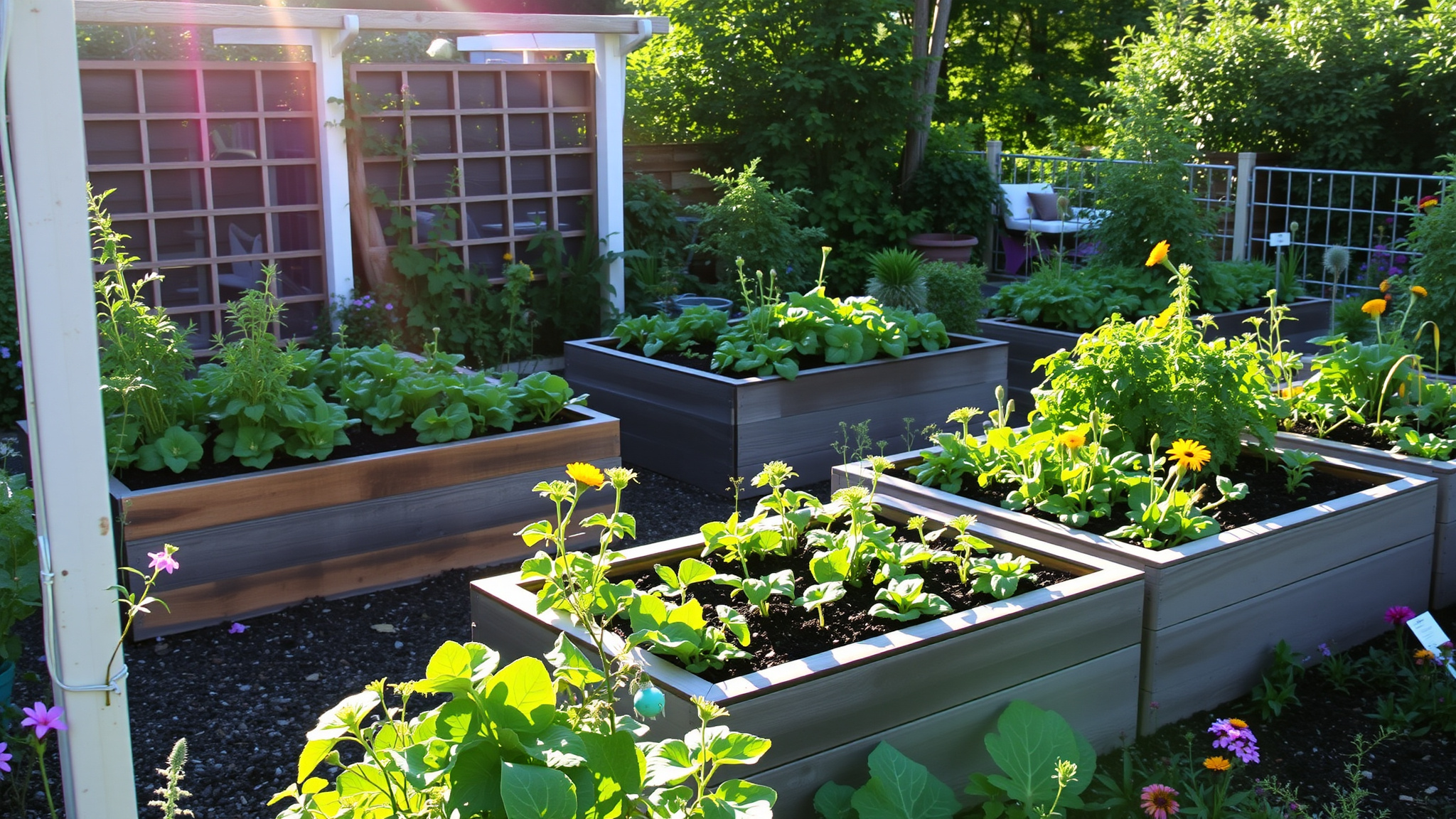
Martha-inspired vegetable gardens often feature raised beds for structure and ease of maintenance. Choose durable materials like cedar, stone, or brick for a polished appearance. Raised beds not only keep plants organized but also improve drainage and soil health. Square or rectangular beds arranged symmetrically give the garden a clean, professional look.
Go for Symmetry and Order
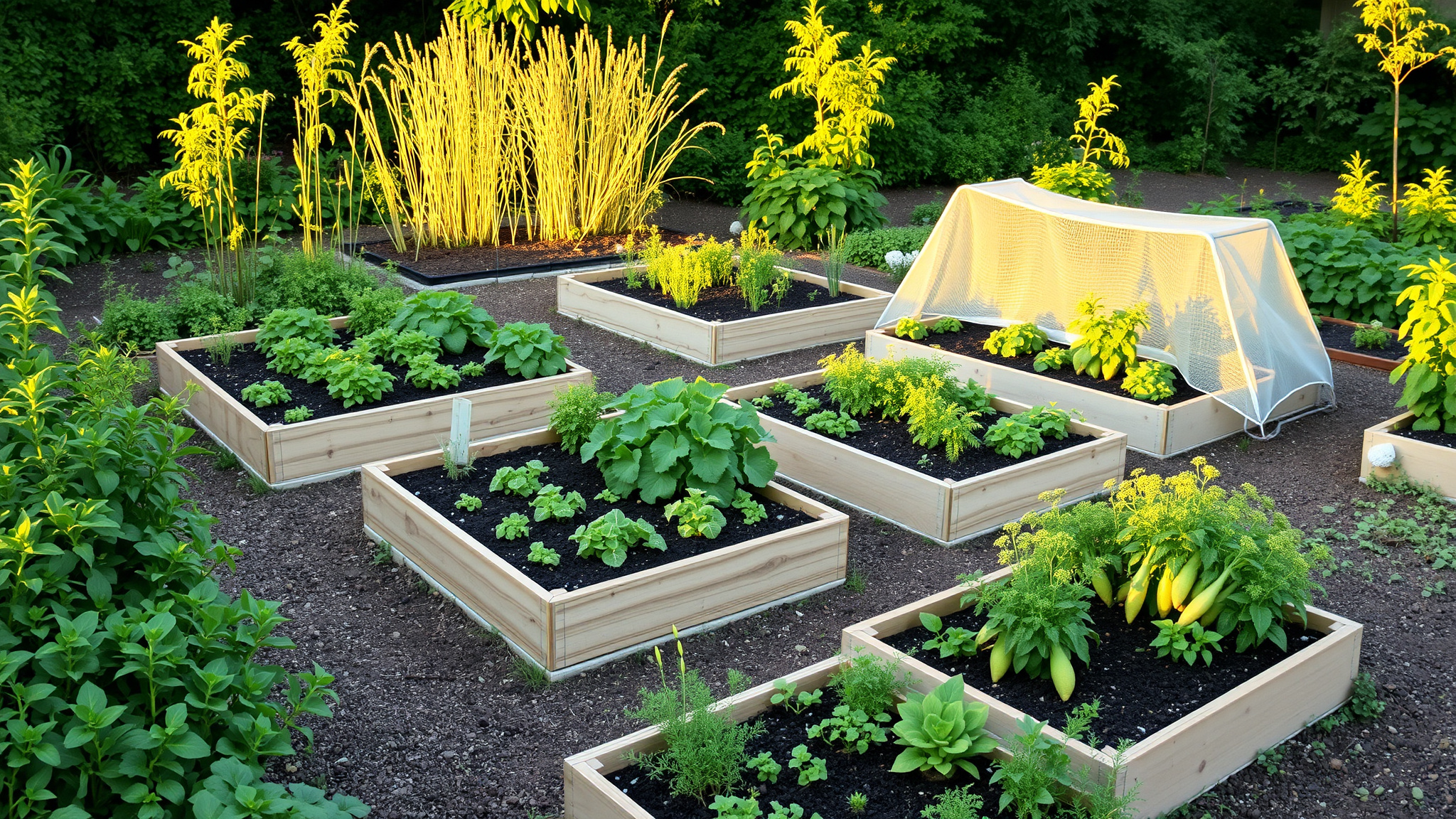
Neatness is one of Martha’s trademarks. Align beds in straight rows or geometric patterns with clear pathways in between. Gravel, brick, or steppingstone paths elevate the look and make the space more accessible. This symmetry gives even a small vegetable garden the elegance of a formal estate garden.
Use Quality Materials
To achieve that classic Martha aesthetic, focus on timeless materials. Stone borders, reclaimed wood, and galvanized metal planters all look elegant while lasting for years. Avoid flimsy plastic or overly bright colors. A neutral palette — wood tones, natural stone, or muted metals — lets the vegetables themselves provide the vibrancy.
Add Vertical Interest
Martha’s gardens often feature trellises, arches, or obelisks to support climbing plants. These structures add height and elegance while making practical use of vertical space. Pole beans, peas, cucumbers, and even tomatoes look stunning when grown upward, and the added dimension gives your beds a designed, curated appearance.
Mix Utility With Beauty
Vegetables can be just as decorative as flowers. Leafy greens create lush textures, carrots and beets add structured rows, and bright peppers and tomatoes bring vibrant color. Mixing herbs like basil, thyme, or rosemary throughout the beds adds fragrance and charm while helping with pest control. Thoughtful combinations make your vegetable beds both productive and ornamental.
Keep Edges Clean and Defined
Well-defined edges give vegetable beds a crisp, high-end look. Use stone, brick, or wood borders to contain soil and maintain neat lines. Adding mulch between rows or along edges further enhances the polished appearance while conserving moisture and reducing weeds.
Accessorize With Style
Details matter. Add garden markers with elegant handwriting or painted wood labels for a refined touch. Woven baskets or galvanized tubs for harvesting reinforce the timeless aesthetic. Even functional items, when chosen thoughtfully, can enhance the overall look of your garden.
Surround With Seasonal Interest
Vegetable beds don’t have to stand alone. Surround them with flower borders, ornamental grasses, or even climbing roses on a nearby trellis. These elements soften the edges and make the vegetable garden feel like part of a larger, cohesive design.
Conclusion
Vegetable beds that look like Martha’s combine order, beauty, and productivity. By using raised beds, quality materials, symmetrical layouts, and a mix of vegetables and herbs, you can create a garden that feels both elegant and abundant. With a few finishing touches — trellises, markers, and seasonal flowers — your vegetable beds will look stylish enough to be the centerpiece of your outdoor space.
FAQs
What materials create the most elegant vegetable beds?
Cedar wood, natural stone, and galvanized metal provide durability and a timeless, Martha-style appearance.
Do vegetable beds have to be raised to look stylish?
Not always, but raised beds give structure and symmetry, making them easier to style attractively.
How can I make vegetable beds look less messy?
Keep edges defined, use mulch between rows, and plant in neat, intentional patterns.
Can vegetables and flowers be mixed in the same bed?
Yes. Many flowers complement vegetables by attracting pollinators and adding beauty to the beds.
What’s the simplest way to make a vegetable bed look refined?
Use clean borders, symmetrical layouts, and add small details like stylish plant markers or vertical trellises.