
Martha Stewart is known for her ability to combine beauty and practicality, and her herb gardens are no exception. They look elegant, feel timeless, and provide fresh flavors right outside the kitchen door. Creating herb gardens that feel “straight from Martha” is about more than just planting herbs — it’s about design, structure, and thoughtful details that make even the smallest garden feel refined and functional.
Why Martha-Style Herb Gardens Stand Out
Martha-inspired herb gardens are admired because they combine three essential qualities:
- Practicality: Herbs are grown for daily use in cooking and wellness.
- Beauty: Layouts are tidy, balanced, and visually pleasing.
- Timelessness: Natural materials and classic plant choices never go out of style.
By blending elegance with function, these gardens feel like an extension of the home.
Choosing the Right Herbs
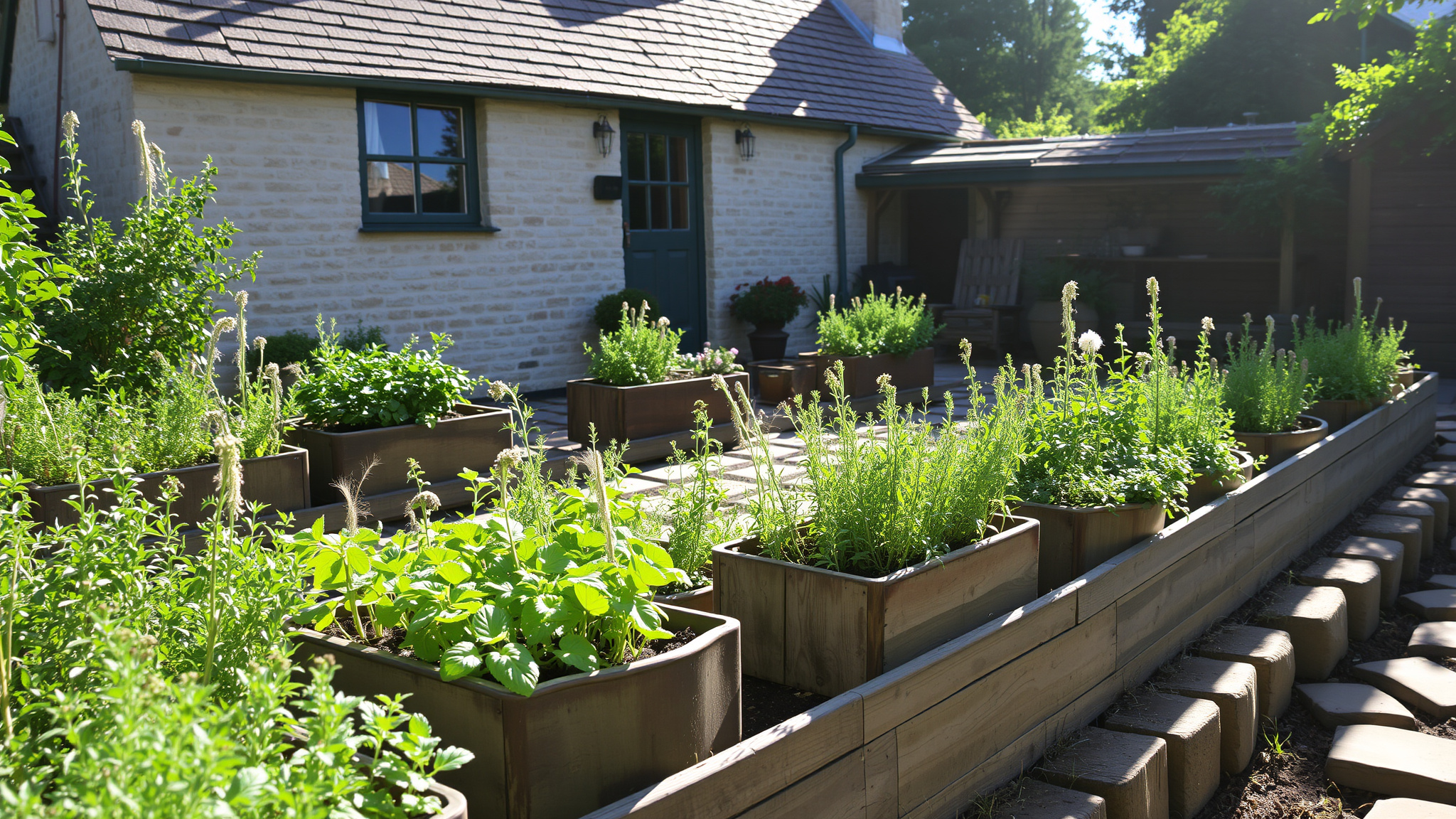
The foundation of any Martha-style garden is a thoughtful selection of herbs. Classic choices include:
- Culinary staples: Basil, thyme, rosemary, oregano, parsley, mint, and chives.
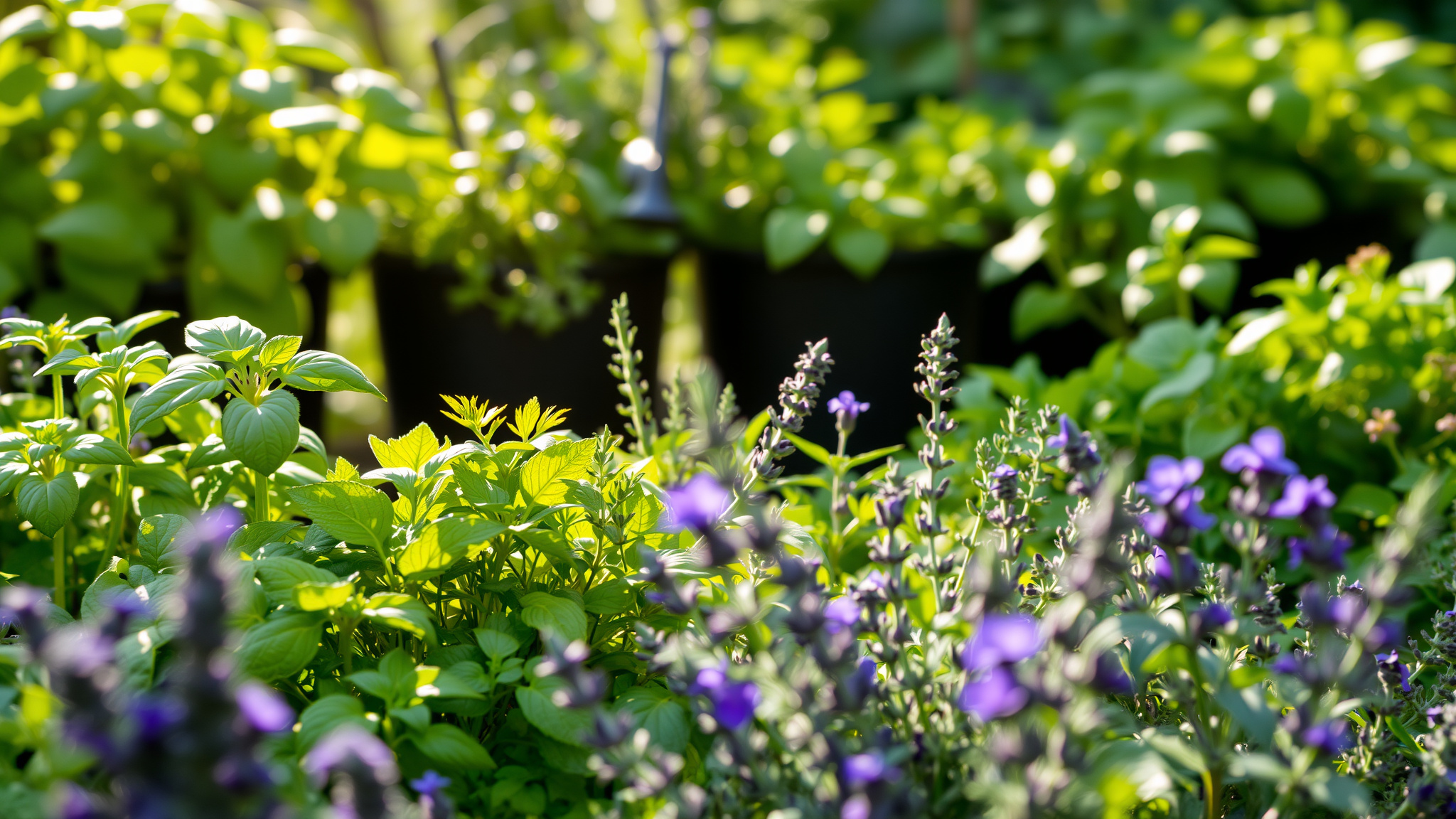
- Fragrant favorites: Lavender and lemon balm for scent and calm.
- Medicinal options: Chamomile and sage for teas and natural remedies.
Mixing practical and decorative herbs ensures the garden feels abundant and useful.
Designing With Structure
Martha gardens are never haphazard — structure is key. Consider:
- Raised beds: Defined borders using wood, stone, or brick for neatness.
- Symmetry: Square or circular layouts with herbs grouped in sections.
- Pathways: Gravel, brick, or stepping stones for accessibility and charm.
- Focal points: A birdbath, urn, or trellis at the center for elegance.
This structure transforms a simple herb garden into a timeless feature.
Containers With Charm
For smaller spaces, Martha-style herb gardens often use containers:
- Terracotta pots: Classic and breathable for herbs.
- Wooden boxes: Rustic yet refined, perfect for patios.
- Repurposed kitchenware: Teapots, pitchers, or bowls for quirky displays.
- Tiered stands: Vertical planting that saves space and adds beauty.
Arranging containers neatly keeps the look polished and intentional.
Layering for Abundance
Part of the Martha aesthetic is fullness and variety. Achieve this with:
- Tall herbs like rosemary or lavender at the back or center.
- Medium-height herbs such as basil or parsley in the middle.
- Low-growing herbs like thyme or oregano along edges.
Layering creates depth, making the garden appear lush and well-balanced.
Seasonal Care for Lasting Appeal
Martha-style herb gardens stay attractive year-round through careful seasonal habits:
- Spring: Plant new herbs, refresh soil, and edge borders.
- Summer: Harvest frequently to encourage growth and maintain shape.
- Autumn: Dry or freeze herbs for winter use.
- Winter: Protect perennials with mulch or bring pots indoors.
Seasonal care ensures herbs remain productive and visually pleasing.
Adding Finishing Touches
Little details elevate an herb garden from simple to Martha-inspired:
- Labels: Handwritten wooden markers or slate signs for each herb.
- Mulch: A clean layer of bark or straw for neatness and moisture retention.
- Cutting baskets: Keep a basket nearby for stylish harvesting.
- Arrangement: Plant herbs in pleasing color and texture groupings.
These touches make the space both functional and photogenic.
Benefits Beyond Beauty
Herb gardens that feel straight from Martha offer more than elegance:
- Fresh, chemical-free herbs for cooking.
- Savings on grocery store purchases.
- A sustainable, eco friendly feature in the yard.
- A daily connection to nature and seasonal rhythms.
FAQs About Martha-Inspired Herb Gardens
Do I need a large yard to create this style?
No. Even a balcony or patio can host a Martha-style herb garden using containers and careful arrangement.
Which herbs are the most timeless?
Rosemary, thyme, lavender, basil, and parsley are classics that never go out of style.
Can herbs be mixed with flowers?
Yes. Combining herbs with decorative blooms like marigolds or nasturtiums adds beauty and helps deter pests.
How do I keep the garden looking neat?
Regular pruning, mulching, and defined borders keep herb gardens polished.
Are raised beds necessary?
Not required, but they add structure, improve drainage, and make gardens feel more organized.