
When it comes to creating gardens that overflow with beauty and productivity, Martha Stewart has mastered the art. Her gardens are known for their lush growth, perfectly balanced layouts, and an effortless sense of abundance. While many think achieving this kind of success requires endless effort or expensive tools, Martha relies on timeless practices that anyone can adopt. The trick Martha uses for garden abundance lies in building strong foundations, planning smartly, and working with nature instead of against it.
Abundance Starts With Healthy Soil
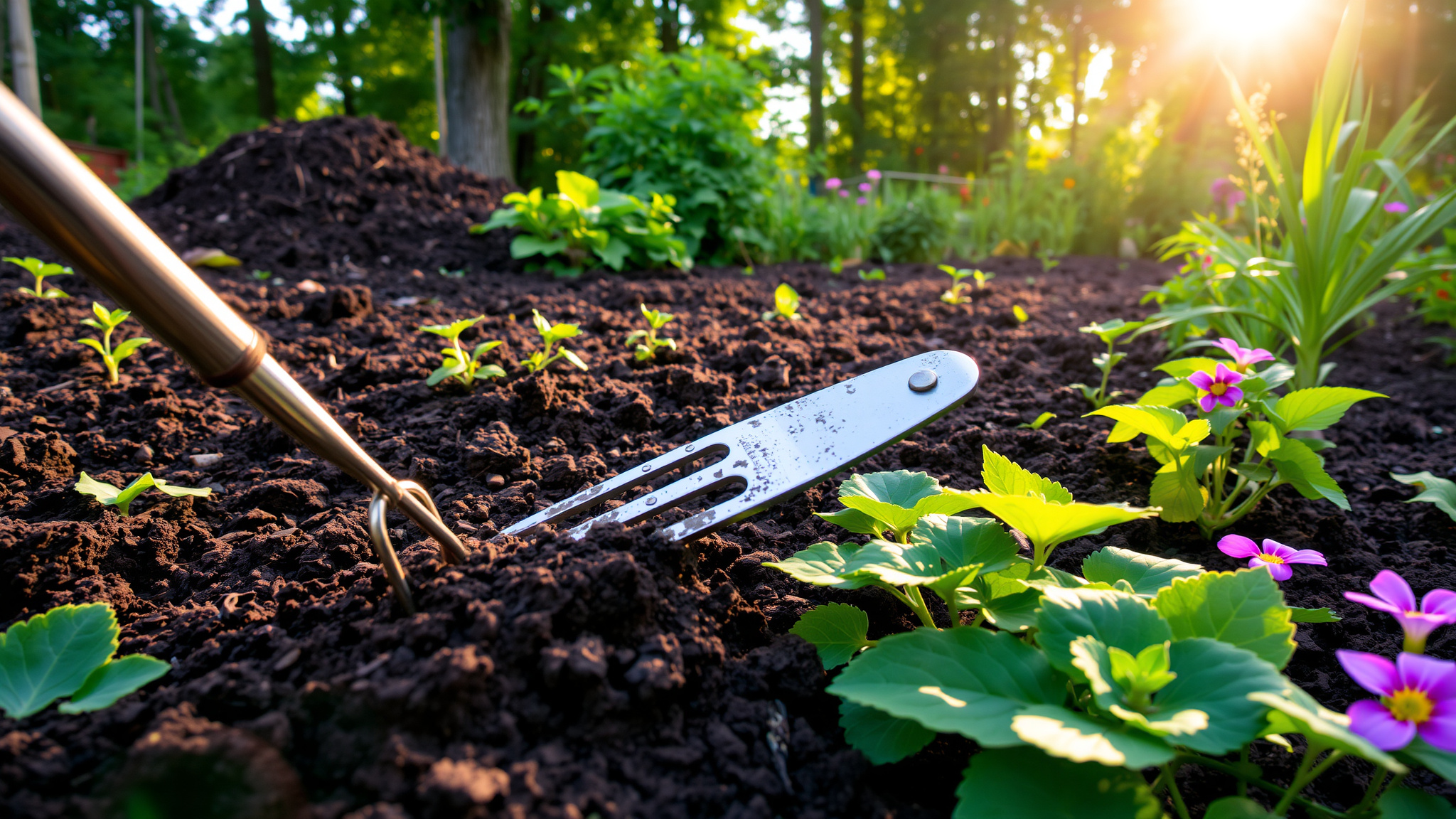
Martha emphasizes soil health as the cornerstone of any garden. She enriches soil with compost, aged manure, and organic matter to ensure plants have the nutrients they need. Healthy soil holds moisture, drains well, and supports beneficial microbes that help plants thrive. By feeding the soil, not just the plants, she creates a foundation for continuous growth.
Smart Plant Pairings
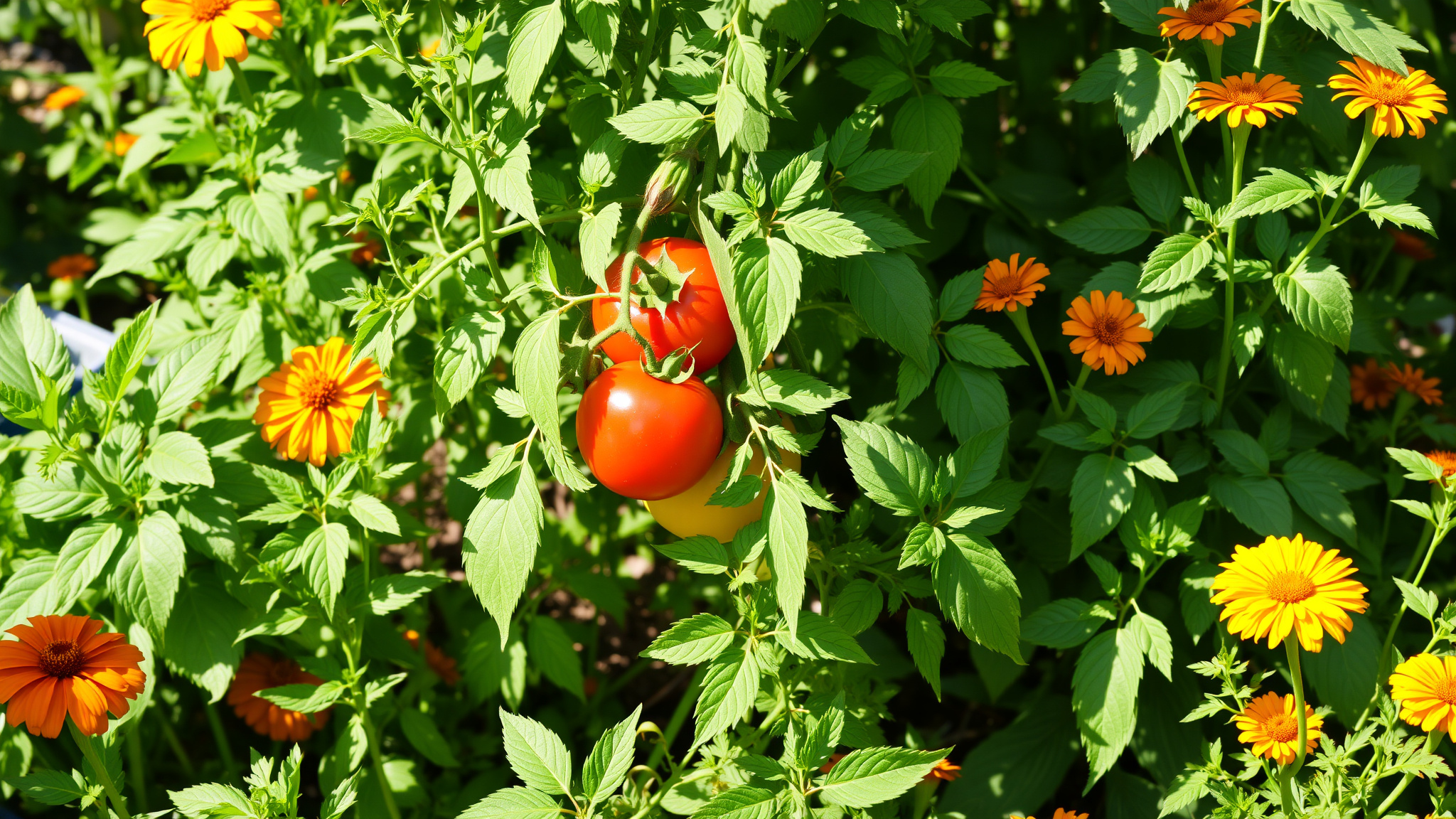
Another trick Martha uses is companion planting — pairing plants that benefit each other. For example, basil enhances tomato growth and repels pests, while marigolds protect vegetables from nematodes. These thoughtful combinations improve yields, reduce pest problems, and maximize space, giving gardens a naturally abundant look.
Succession Planting for Continuous Harvests
Instead of planting everything at once, Martha staggers her crops to ensure the garden stays full throughout the season. As soon as one crop finishes, another is ready to go in its place. Lettuce, radishes, and other quick growers are followed by beans, carrots, or late-season greens. This trick keeps the garden productive and prevents empty patches.
Martha Garden


 +42
+42Using Perennials as Anchors
Perennials form the backbone of Martha’s gardens. Herbs, fruit trees, berry bushes, and hardy flowers return year after year, offering structure and steady harvests. Mixing perennials with annuals ensures the garden always has a lush, established look, even at the start of the season.
Layering Plants for Fullness
To achieve the sense of abundance Martha’s gardens are known for, she layers plants by height and spread. Tall crops like corn or sunflowers form a backdrop, mid-sized vegetables and flowers fill the middle, and groundcovers or herbs spill across the edges. This layering creates visual fullness and maximizes productivity in the same space.
The Role of Mulch and Compost
Martha uses mulch and compost not just for soil health, but for abundance. Mulch conserves water, prevents weeds, and keeps plants thriving, while compost provides a steady nutrient supply. These practices reduce the need for constant intervention, allowing gardens to flourish naturally.
Blending Beauty With Utility
Martha believes abundance isn’t only about harvests — it’s also about beauty. She mixes vegetables with flowers, turning practical garden beds into visually stunning spaces. Nasturtiums, zinnias, and cosmos attract pollinators while brightening up vegetable rows. The result is a garden that feels abundant to both the eye and the table.
Seasonal Adjustments
Martha adapts her gardens with the seasons. Cool-weather crops like kale and peas fill early spring beds, followed by summer staples such as tomatoes and cucumbers. In fall, she transitions to root vegetables and leafy greens. By adjusting plantings seasonally, her gardens never look sparse.
Creating Garden Infrastructure
Garden abundance also comes from good structure. Martha uses raised beds, trellises, and pathways to organize plantings and encourage growth. Vertical supports for peas, beans, and cucumbers expand growing space, while defined paths make maintenance easy. This infrastructure creates a sense of order while maximizing productivity.
Attracting Pollinators and Beneficial Insects
Martha ensures her gardens are buzzing with life by encouraging pollinators. She plants lavender, echinacea, and native wildflowers to attract bees and butterflies. She also provides habitats for beneficial insects like ladybugs and lacewings. These natural allies keep pest populations down and help crops produce more fruit.
Patience and Consistency
The final trick Martha uses is patience. Abundant gardens aren’t built overnight; they grow richer with each season of care. By consistently enriching soil, rotating crops, and observing plant needs, she creates a thriving cycle that builds year after year.
The Takeaway
Garden abundance doesn’t depend on luck or endless effort. Martha’s trick is a combination of healthy soil, smart planning, and natural partnerships. By layering plants, encouraging pollinators, and practicing succession planting, anyone can create a garden that looks lush and produces generously. With patience and care, you can bring a little Martha-style abundance to your own backyard.
FAQs About Garden Abundance
What’s the number one trick for an abundant garden?
Building healthy soil with compost and organic matter is the most important step.
How does companion planting help abundance?
It improves growth, repels pests, and makes more efficient use of space.
Can small gardens look abundant?
Yes. By layering plants and using vertical supports, even small spaces can feel full and productive.
How do I keep my garden looking full all season?
Succession planting ensures that as one crop finishes, another is ready to replace it.
Do I need special tools for abundance gardening?
No. The key is consistent care, soil enrichment, and choosing the right plant pairings.