
A vegetable garden does not need to be purely functional — it can also be a place of beauty, inspiration, and relaxation. With thoughtful design, smart plant choices, and creative arrangements, you can transform your vegetable plot into a visually stunning space that still produces a bountiful harvest. Whether you have a small backyard, a raised bed, or a larger homestead, the right strategies can turn any vegetable garden into something that looks gorgeous year-round.
Why Beauty Matters in a Vegetable Garden
Many people think vegetable gardens are only about food production, but aesthetics play a big role too. A beautiful garden makes you more likely to spend time tending it, enjoy the process, and share the space with others. An attractive design also blends the garden into the overall landscape, increasing curb appeal and even property value. By treating your vegetable garden like a landscape feature, you create a place that nourishes both body and soul.
Designing With Structure and Flow
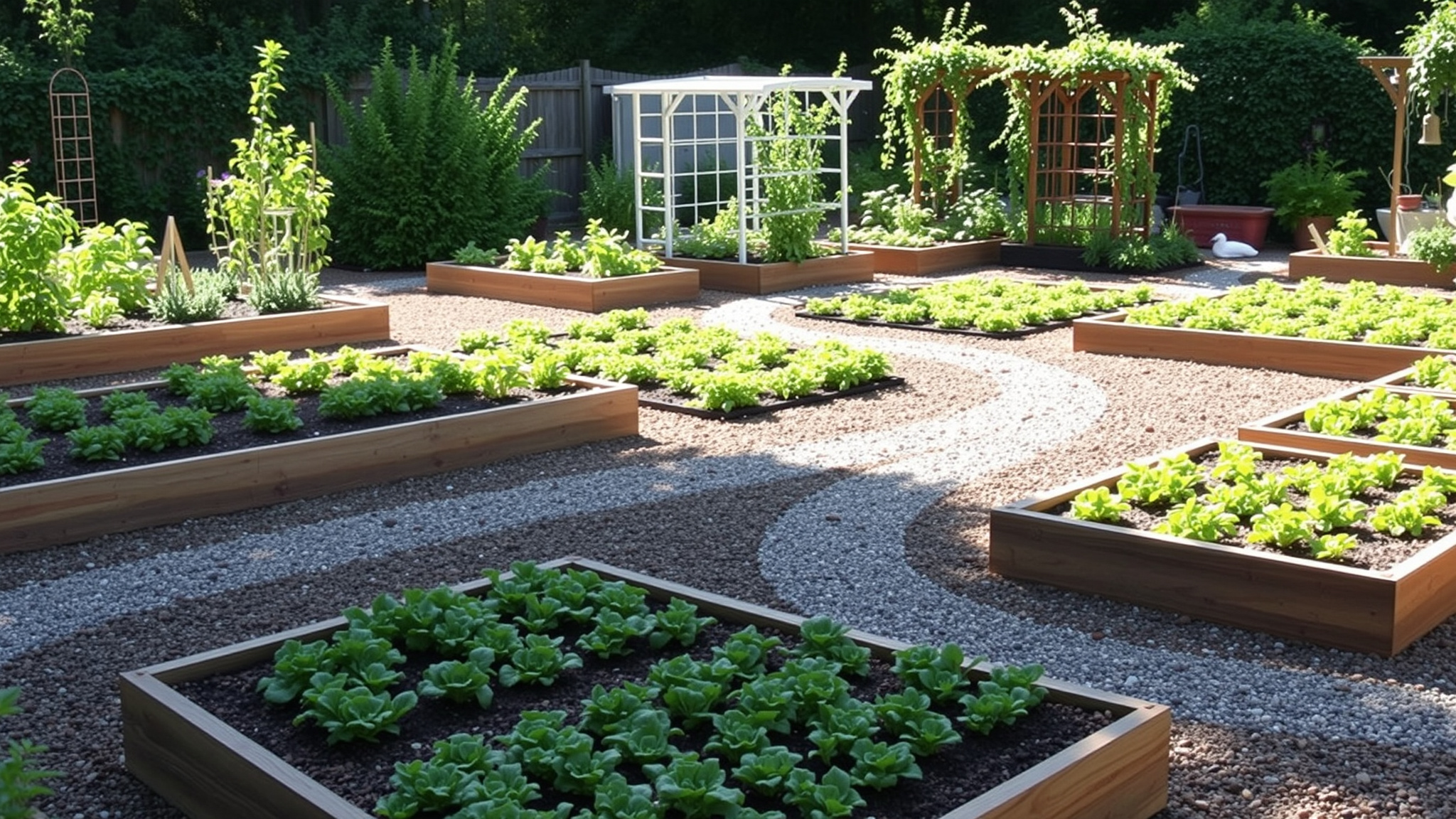
The backbone of a gorgeous vegetable garden is structure. Raised beds, pathways, and defined borders give the garden shape and organization. Straight lines create a formal, orderly appearance, while curved beds and winding paths bring a softer, more natural feel. Gravel, mulch, or stepping stones help define pathways, prevent weeds, and keep shoes clean on damp days. Trellises, arches, or obelisks provide vertical interest and allow climbing vegetables like beans, peas, and cucumbers to create striking visual features.
Choosing Vegetables for Beauty
Not all vegetables look the same — some naturally bring color, texture, and elegance to the garden. Bright rainbow chard, purple kale, and red lettuce add bursts of color to green spaces. Eggplants with glossy purple skins and peppers in shades of yellow, orange, and red are as decorative as they are delicious. Even ordinary vegetables like carrots and beets become beautiful when planted in colorful varieties. Mixing these with leafy greens creates stunning contrasts that catch the eye.
Martha Garden


 +42
+42Mixing Flowers and Vegetables
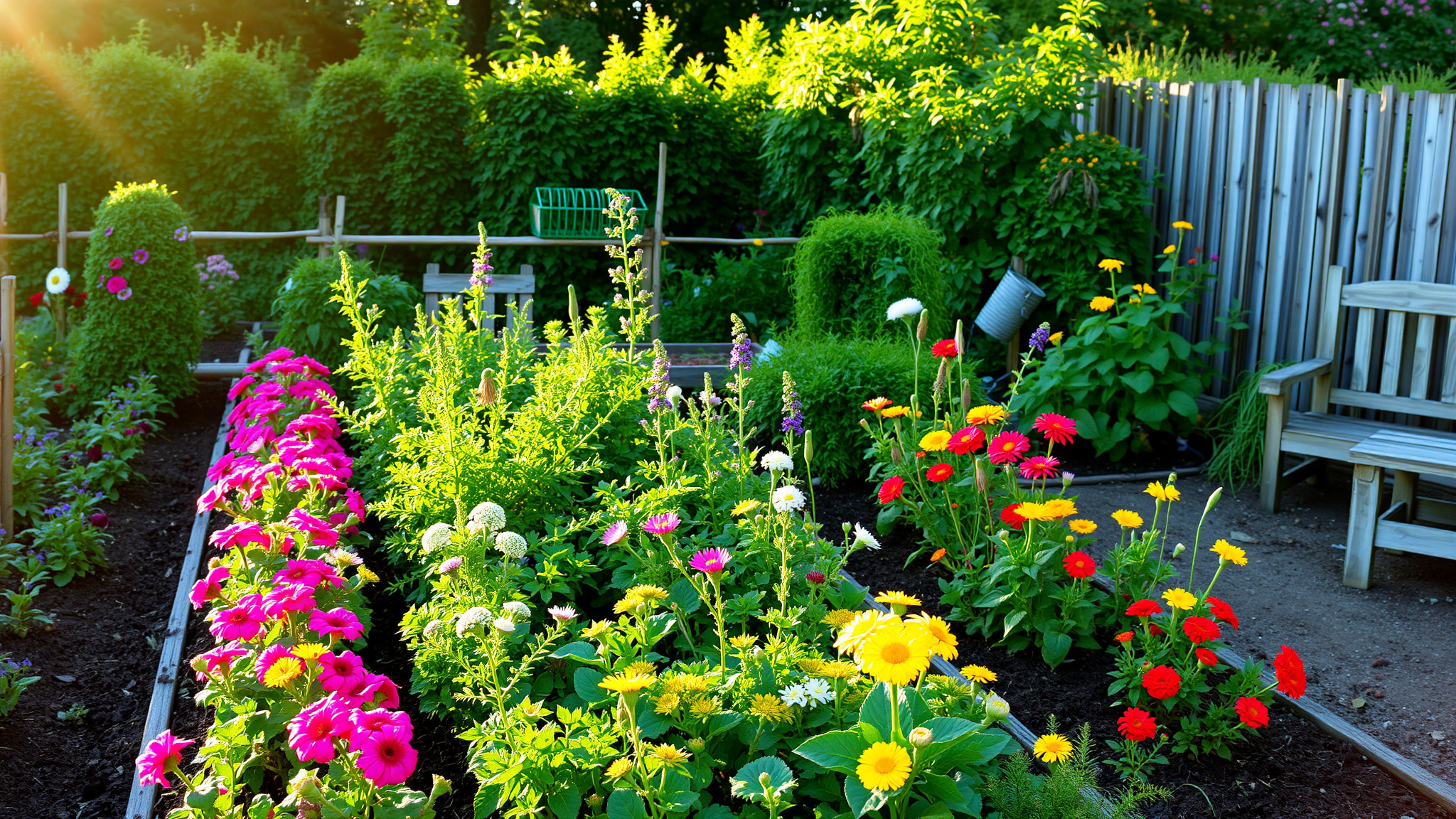
One of the easiest ways to elevate the look of your vegetable garden is to mix in flowers. Edible flowers such as nasturtiums, calendula, and violas bring vibrant colors while also being functional. Pollinator-friendly flowers like sunflowers, cosmos, and zinnias attract bees and butterflies, helping vegetables produce more fruit. Marigolds, in particular, are both beautiful and effective at deterring pests naturally. This blending of ornamentals and edibles creates a cottage-garden charm that feels alive and abundant.
Color and Texture in Planting
A visually pleasing vegetable garden relies on intentional use of color and texture. Contrasting leaf shapes, such as spiky leeks next to rounded lettuce heads, add depth and variety. Colorful vegetables can be arranged in repeating patterns or blocks for a bold look, or interplanted randomly for a natural, abundant effect. Using foliage in shades of deep green, pale silver, and rich burgundy creates balance and interest, ensuring that the garden looks good even when not everything is in bloom or harvest.
Raised Beds for Elegance
Raised beds are not only practical but also visually appealing. Neat wooden, stone, or metal frames give the garden structure and symmetry. They elevate plants, making them more visible and giving the garden a layered appearance. Painting or staining wooden beds can enhance their look, while stone or brick creates a timeless, classic feel. Raised beds also allow for easier maintenance and weed control, which helps keep the space neat and polished.
Adding Vertical Interest
Flat gardens can sometimes look plain, but vertical structures instantly transform the space. Arched trellises with climbing beans, tall tomato cages, or espaliered fruit trees add height and drama. Hanging baskets with herbs or trailing cherry tomatoes introduce additional layers. By combining tall plants with ground-level crops, you create a tiered effect that makes the garden feel dynamic and full of life.
Decorative Garden Accessories
Even small details can enhance the beauty of a vegetable garden. Rustic wooden signs identifying each crop add charm and personality. Decorative containers, ceramic pots, or woven baskets holding herbs give the garden an artisanal feel. Water features, such as a small fountain or birdbath, introduce movement and attract wildlife. Garden art, from simple lanterns to sculptures, provides focal points that make the space feel curated and inviting.
Keeping It Tidy and Well-Maintained
A garden’s beauty depends not only on design but also on upkeep. Weeding regularly, trimming overgrown plants, and harvesting on time keep the garden looking fresh. Mulching helps suppress weeds while also giving beds a clean, finished appearance. Regular pruning of vines and trellised plants ensures they grow neatly and don’t overwhelm the space. A well-maintained garden, even with modest plantings, always looks more attractive than one left unattended.
Seasonal Interest for Year-Round Appeal
To keep your garden looking gorgeous across the seasons, plan for year-round interest. Early crops like spinach and radishes provide quick greenery in spring, while summer vegetables such as tomatoes, cucumbers, and peppers bring vibrant colors. In autumn, kale and ornamental cabbages extend beauty long after other crops fade. Adding evergreen herbs like rosemary ensures the garden maintains structure and greenery even in cooler months. A thoughtful planting calendar keeps your garden visually appealing throughout the year.
Companion Planting for Health and Beauty
Companion planting not only benefits crop health but also improves garden aesthetics. Tall corn combined with sprawling squash and beans on trellises creates a lush, layered look known as the “Three Sisters.” Basil tucked between tomatoes provides color contrast while deterring pests. Dill and fennel attract beneficial insects and add airy, delicate textures. When designed with beauty in mind, companion planting turns practicality into artistry.
Creating Inviting Spaces
A vegetable garden can be more than a food source; it can be a space for relaxation and gathering. Adding a bench, a small table, or even a shaded pergola invites you to linger and enjoy the view. Pathways wide enough for strolling and comfortable seating make the garden a place where family and friends want to spend time. By integrating beauty with function, your vegetable garden becomes a lifestyle space, not just a growing area.
Sustainable Beauty That Lasts
A gorgeous vegetable garden should also be sustainable. Using organic practices, compost, and natural fertilizers helps plants thrive without harsh chemicals. Rainwater harvesting systems or drip irrigation add practicality while blending seamlessly into the design. Reclaimed wood, recycled stone, and upcycled containers not only save resources but also add unique character to the garden. Sustainable choices ensure that beauty and productivity last year after year.
Frequently Asked Questions
What vegetables are the most attractive to grow?
Brightly colored crops such as rainbow chard, purple cauliflower, red lettuce, eggplant, peppers, and multicolored carrots are both edible and visually striking.
How can I make my vegetable garden look more decorative?
Incorporate flowers, add trellises, use raised beds, and arrange vegetables in colorful patterns. Decorative signs, containers, and pathways also enhance the design.
Can I mix flowers and vegetables in the same garden?
Yes. Many flowers complement vegetables by attracting pollinators or repelling pests. This not only improves the look of the garden but also supports healthier crops.
How do I keep a vegetable garden looking neat?
Regular weeding, pruning, and harvesting are key. Mulching keeps soil covered and tidy while also retaining moisture. Defined pathways and raised beds add structure.
What design style works best for a gorgeous vegetable garden?
Both formal and informal styles can work. Straight rows and symmetrical raised beds create elegance, while cottage-style interplanting with flowers gives a charming, abundant feel.